
China Disc Magnet Manufacturer, Supplier, Factory
The Definitive Guide to Disc Magnets
In the vast world of industrial and commercial components, few items are as ubiquitously essential yet often overlooked as the disc magnet. Also commonly known as a round magnet or a button magnet, this simple cylindrical form factor represents the pinnacle of focused magnetic efficiency. With two decades of experience optimizing for precision engineering and procurement searches, this guide delves deep into the technical specifications, applications, and critical selection criteria for disc magnets. Understanding these elements is not just about purchasing a component; it's about integrating a reliable, powerful, and cost-effective force solution into your product or process.
Core Technical Specifications & Parameters
The performance of a disc magnet is defined by a set of quantifiable parameters. Selecting the right magnet requires a careful balance of these characteristics to meet specific application demands.
Primary Material Grades & Properties
The magnetic material is the heart of the magnet, determining its strength, temperature resistance, and corrosion resilience. Below are the most common types used in disc magnet manufacturing.
The most powerful permanent magnet material commercially available. Offers exceptional magnetic strength (high remanence and coercivity) in a very compact size. Typically coated (Ni-Cu-Ni, zinc, epoxy) to prevent corrosion. Performance can degrade at high temperatures (max operating temperatures generally range from 80°C to 220°C depending on grade).
Provides high magnetic strength with superior temperature stability and excellent corrosion resistance. Often used in high-temperature environments (operating temperatures up to 350°C) and where consistent performance under thermal stress is critical. More brittle and expensive than Neodymium.
Made from strontium or barium ferrite. Economical, corrosion-resistant, and demagnetization-resistant. They are weaker than rare-earth magnets but are excellent for applications requiring a low-cost, stable magnetic field over a wide temperature range.
An alloy of aluminum, nickel, and cobalt. Known for excellent temperature stability and high residual induction. They have a lower coercivity, meaning they can be more easily demagnetized compared to rare-earth magnets. Often used in sensors and instrumentation.
Key Applications Across Industries
Used in jigs, fixtures, magnetic separators, sensors (Hall effect, reed switches), latches for doors and panels, and as part of magnetic couplings and drives.
Found in speakers, microphones, hard disk drives, magnetic closures for cases and bags, smartphone accessories (mounts, cases), and DIY projects.
Essential components in the rotors and stators of high-efficiency electric motors, generators, and wind turbines.
Utilized in MRI equipment (peripheral components), laboratory equipment for holding, magnetic stirrers, and therapeutic devices.
For securing products to displays, creating modular shelving systems, and in signage.
Ordering and Customization Considerations
When procuring disc magnets, beyond specifying size and grade, consider these factors:
Confirm axial (standard) or diametric.
Standard tolerances are often sufficient, but precision-ground magnets are available for applications requiring a perfect press-fit or exact alignment.
Unit price decreases significantly with volume. Evaluate your annual usage for bulk pricing.
Some industries (e.g., aerospace, medical) may require material certifications (RoHS, REACH, DFARS) or lot traceability.
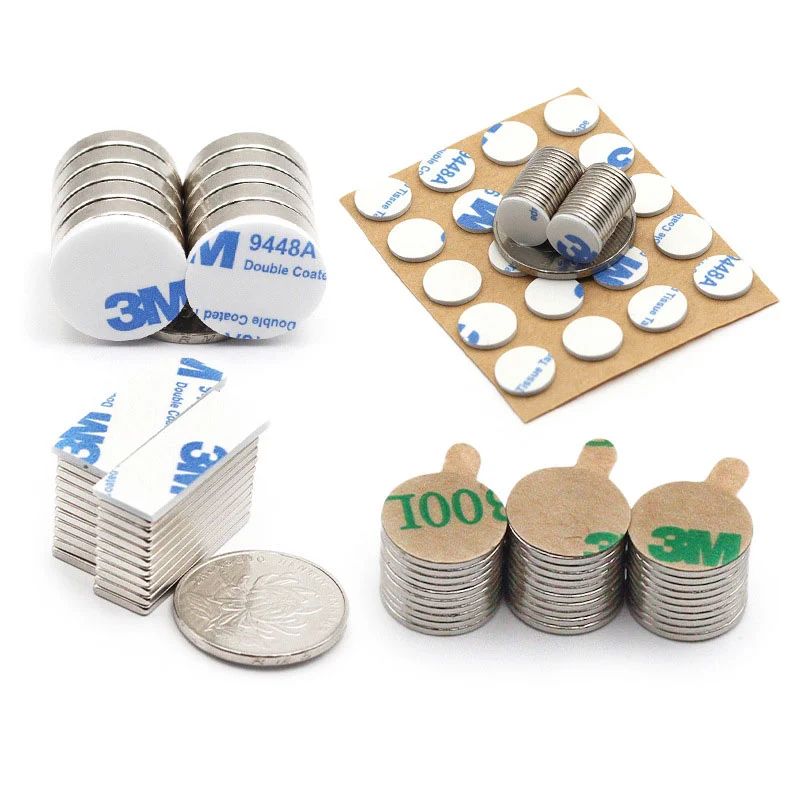
Manufacturers can often provide custom sizes, specialized coatings, or assemblies (e.g., magnets with adhesive backing, countersunk holes for screws, or rubber encapsulation).
Products
- View as
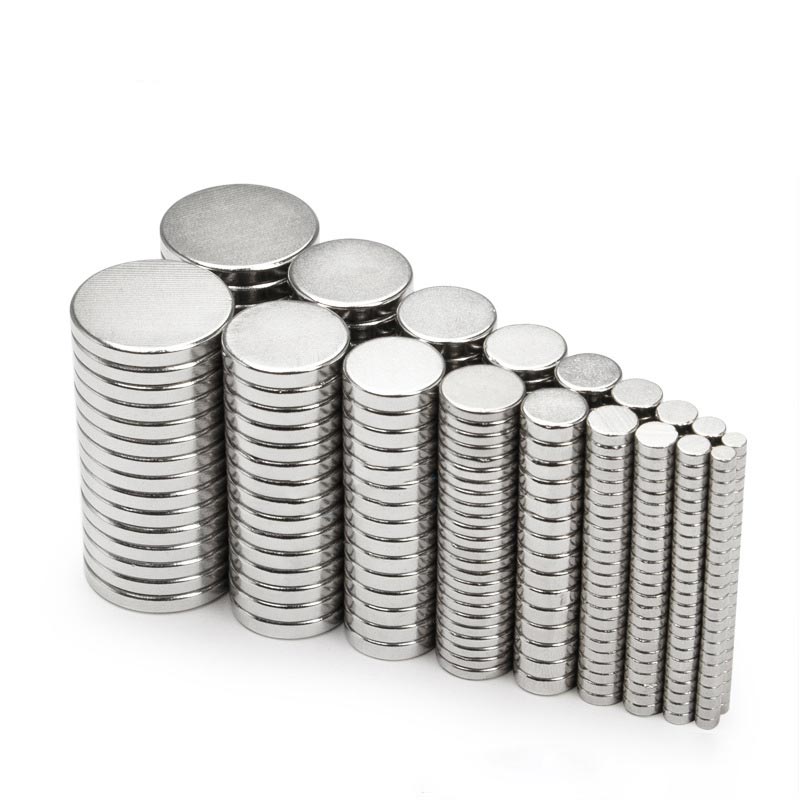
neodymium disc magnets
Our neodymium disc magnets deliver powerful magnetic performance in a precise circular form, engineered for critical applications in motors, sensors, and automation. Manufactured with high-purity materials and tight tolerances down to ±0.01mm, these robust neodymium disc magnets offer reliable holding and actuation in industries including automotive, medical, and robotics.
Read MoreSend Inquiry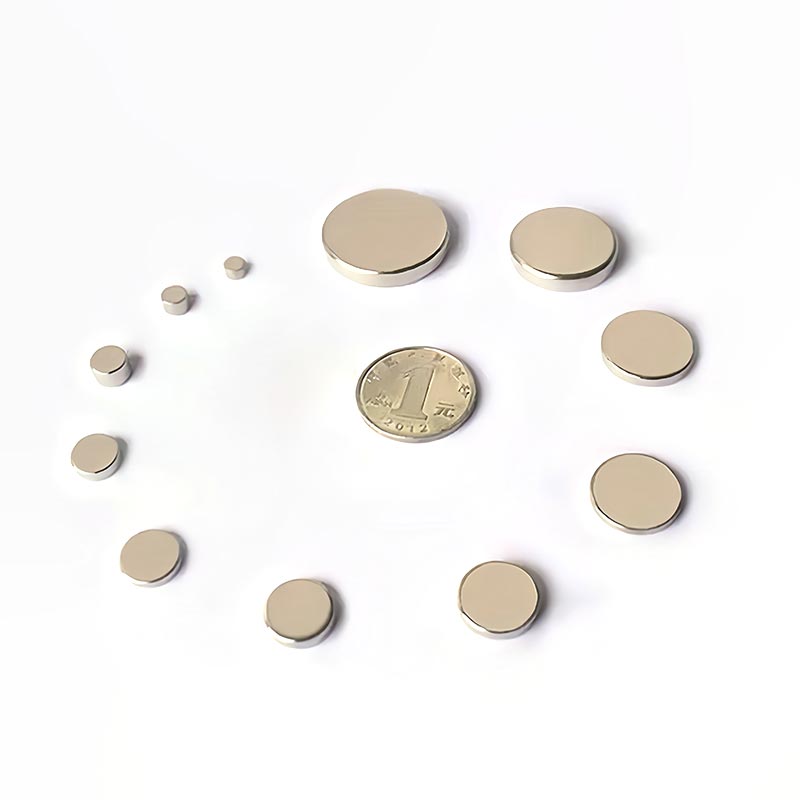
ndfeb
Our high-performance NdFeB permanent magnets are engineered from premium virgin materials, offering exceptional magnetic strength and stability for demanding industrial applications. This comprehensive range of NdFeB grades ensures reliable solutions for high-performance motors, automotive systems, electronics, and more.
Read MoreSend Inquiry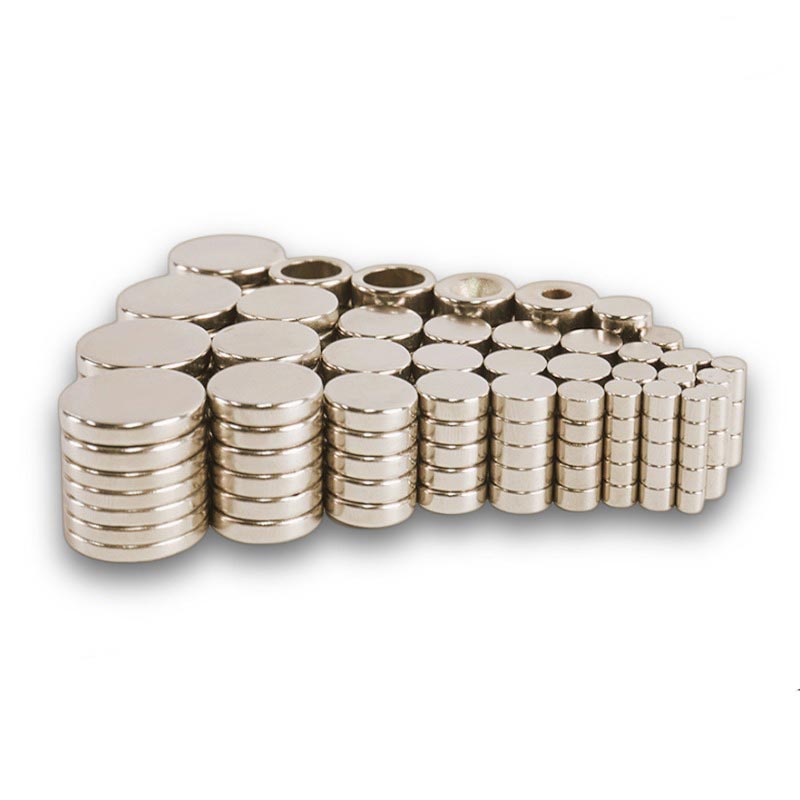
Strong Magnets
Our factory specializes in manufacturing premium strong magnets that deliver exceptional magnetic force and reliability for the most demanding industrial applications. With over 30 years of expertise as a source manufacturer, we control the entire production chain from raw materials to finished products, ensuring consistent quality, on-time delivery, and superior performance that outperforms industry standards. Our comprehensive material portfolio, including high-grade NdFeB, SmCo, AlNiCo, and Ferrite, allows us to provide the optimal magnetic solution for any temperature, corrosion, or strength requirement.
Read MoreSend Inquiry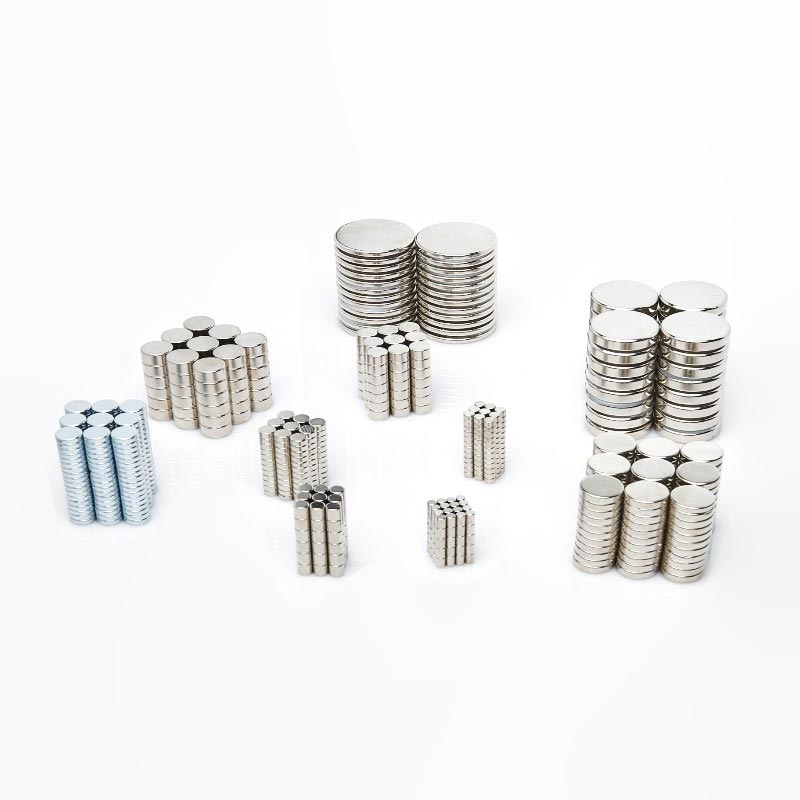
N52 Magnets
Our factory produces premium N52 magnets that represent the highest standard grade of commercially available sintered NdFeB magnets, delivering exceptional magnetic strength with a remanence (Br) up to 1.48T. As a source manufacturer with 30 years of expertise, we control the entire production process to ensure these high-performance N52 magnets maintain their superior magnetic properties while meeting precise dimensional tolerances and robust corrosion protection standards for demanding industrial applications.
Read MoreSend Inquiry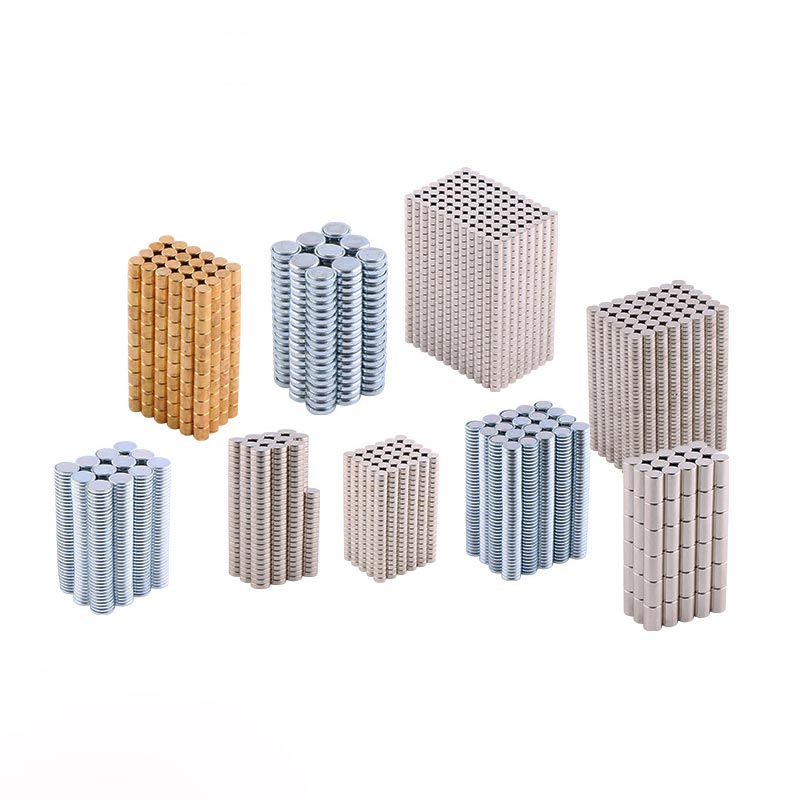
Disk Magnets
Our factory specializes in manufacturing high-precision disk magnets for diverse industrial applications requiring flat, circular magnetic components. With 30 years of expertise in magnet production, we offer disk magnets in various diameters (from 1mm to 150mm), thicknesses, and magnetic materials including NdFeB, SmCo, Ferrite, and Alnico. Each disk magnet undergoes rigorous quality control to ensure precise dimensions, consistent magnetic properties, and durable protective coatings for reliable performance.
Read MoreSend Inquiry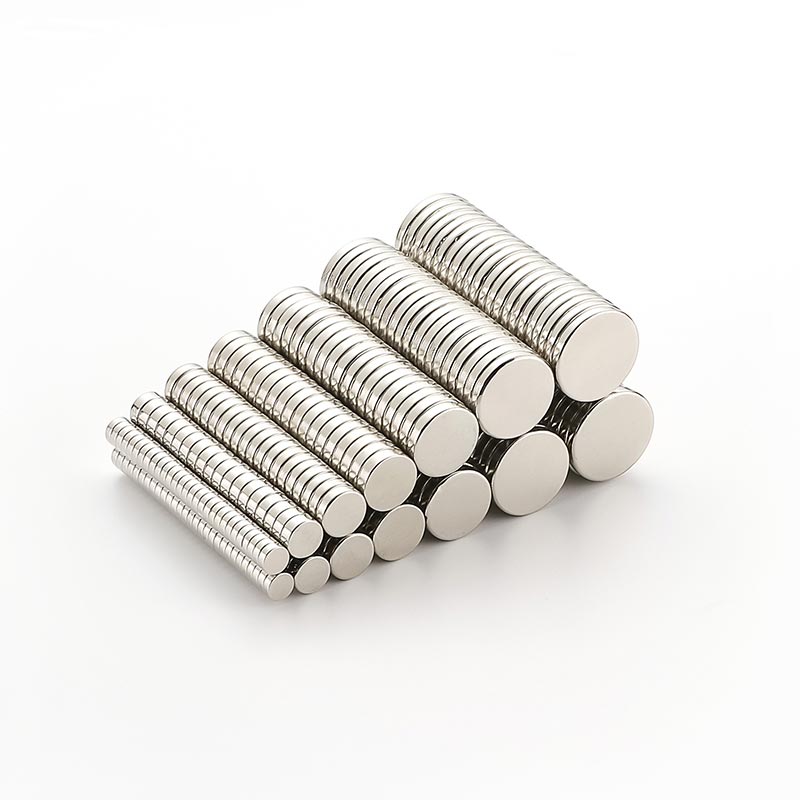
N42 Magnets
Let's talk straight about N42 magnets - they're that sweet spot where you get serious magnetic power without paying for more than you actually need. We've been producing these workhorses for close to thirty years now, and here's what we've learned: most applications don't require the absolute highest grade, but they absolutely require reliable performance. That's where our N42 magnets deliver.
Read MoreSend Inquiry
As a reliable Disc Magnet manufacturer and supplier in China, we have custom options and volume discount pricing. Please just send us a quotation!