
What Makes Neodymium Disc Magnets the Strongest Choice for High-Performance Applications
Neodymium disc magnets are among the most powerful permanent magnets available today. Known for their exceptional magnetic strength, compact size, and versatile application potential, these rare earth magnets are widely used across electronics, manufacturing, renewable energy, medical equipment, and industrial automation. In this comprehensive guide, we explore why neodymium disc magnets outperform other magnet types, how to choose the right grade and coating, their industrial applications, and how companies like Zhaobao deliver reliable, high-performance solutions.
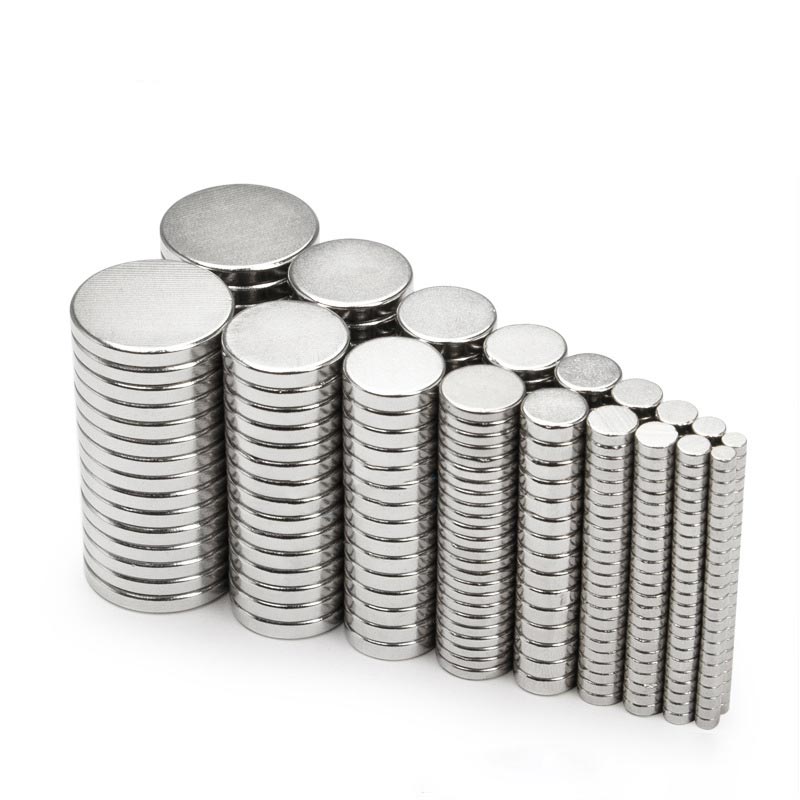
Table of Contents
- 1. What Are Neodymium Disc Magnets?
- 2. Why Are Neodymium Disc Magnets So Strong?
- 3. Understanding Magnet Grades (N35–N52)
- 4. Surface Coatings and Corrosion Protection
- 5. Industrial & Commercial Applications
- 6. How to Select the Right Disc Magnet
- 7. Neodymium vs Ferrite vs Alnico
- 8. Custom Manufacturing & Quality Control
- 9. Safety & Handling Guidelines
- 10. Frequently Asked Questions
1. What Are Neodymium Disc Magnets?
Neodymium disc magnets, also known as NdFeB disc magnets, are round permanent magnets made from an alloy of neodymium, iron, and boron. Developed in the 1980s, they are the strongest type of rare earth magnet commercially available.
Their disc shape allows for even magnetic flux distribution across flat surfaces, making them ideal for mounting, holding, clamping, and precision alignment tasks.
- Material: NdFeB (Neodymium-Iron-Boron)
- Shape: Circular flat disc
- Magnetization Direction: Axial or diametric
- Typical Grades: N35, N42, N48, N52
Because of their high energy product (BHmax), these magnets deliver extremely strong holding force even in compact sizes.
2. Why Are Neodymium Disc Magnets So Strong?
The extraordinary strength of neodymium magnets comes from their atomic structure and high magnetic anisotropy. Compared to traditional magnets, NdFeB magnets provide:
- Higher residual induction (Br)
- Greater coercivity (Hc)
- Superior maximum energy product (BHmax)
| Property | Neodymium (NdFeB) | Ferrite | Alnico |
|---|---|---|---|
| Energy Product (MGOe) | 35–52 | 3–5 | 5–9 |
| Magnetic Strength | Very High | Low | Medium |
| Size Efficiency | Compact | Large Required | Medium |
This makes neodymium disc magnets the preferred solution in high-performance environments where space and weight are critical.
3. Understanding Magnet Grades (N35–N52)
The grade number represents the maximum energy product. Higher numbers mean stronger magnets.
- N35: Standard strength for general industrial use
- N42: Balanced cost and performance
- N48: High-performance engineering applications
- N52: Maximum strength commercially available
For applications requiring extreme holding force in limited space, N52 neodymium disc magnets are often the optimal choice.
4. Surface Coatings and Corrosion Protection
Neodymium magnets are prone to oxidation without protective coating. Common coatings include:
- Nickel (Ni-Cu-Ni)
- Zinc (Zn)
- Epoxy (Black)
- Gold
- PTFE
| Coating Type | Corrosion Resistance | Best For |
|---|---|---|
| Nickel | High | General industrial use |
| Epoxy | Very High | Marine & humid environments |
| Zinc | Moderate | Cost-sensitive applications |
5. Industrial & Commercial Applications
Neodymium disc magnets are used across multiple sectors:
Electronics
- Speakers and microphones
- Hard disk drives
- Magnetic sensors
Renewable Energy
- Wind turbine generators
- Electric vehicle motors
Medical Devices
- MRI systems
- Surgical tools
Manufacturing & Automation
- Magnetic fixtures
- Robotics
- Conveyor separation systems
6. How to Select the Right Disc Magnet
Consider the following factors:
- Required holding force
- Operating temperature
- Environmental exposure
- Magnet grade
- Coating type
- Dimensional tolerances
Engineering calculations should include air gap effects and magnetic circuit design to avoid underperformance.
7. Neodymium vs Ferrite vs Alnico
Choosing the right magnet material depends on your application needs:
- Neodymium: Highest strength, compact size
- Ferrite: Cost-effective, corrosion resistant
- Alnico: High temperature tolerance
For precision electronics and high torque motors, neodymium disc magnets remain unmatched.
8. Custom Manufacturing & Quality Control
Professional manufacturers such as Zhaobao implement strict quality control measures including:
- Material composition testing
- Magnetic flux inspection
- Coating thickness measurement
- Dimensional tolerance verification
Advanced sintering technology ensures consistent microstructure and stable magnetic performance.
9. Safety & Handling Guidelines
- Keep away from electronic devices
- Wear gloves to avoid pinching injuries
- Store with spacers to reduce collision
- Keep away from children
Strong magnets can snap together with significant force, potentially causing damage or injury.
10. Frequently Asked Questions
Q1: What temperature can neodymium disc magnets withstand?
Standard grades operate up to 80°C. High-temperature grades can reach 150–200°C.
Q2: Do neodymium magnets lose strength over time?
Under normal conditions, they retain magnetism for decades unless exposed to extreme heat or demagnetizing fields.
Q3: Can neodymium disc magnets be customized?
Yes. Custom diameters, thicknesses, grades, and coatings are available for industrial applications.
Q4: Are these magnets environmentally safe?
They are safe when properly coated and handled. Recycling programs are recommended.
Conclusion: Why Choose Neodymium Disc Magnets?
Neodymium disc magnets offer unmatched magnetic performance, compact design advantages, and broad industrial usability. Whether you require high torque motors, compact electronics, or precision automation components, these rare earth magnets provide reliable and long-lasting performance.
If you are looking for high-quality, customizable solutions backed by strict quality control and advanced manufacturing expertise, partnering with a trusted supplier like Zhaobao ensures long-term performance and value.
Ready to upgrade your magnetic solutions? Contact us today to discuss your custom neodymium disc magnet requirements.