
What Are Ceramic Ferrite Magnets and Why Are They Widely Used in Modern Industry
Ceramic ferrite magnets are among the most widely used permanent magnets in modern manufacturing. Known for their excellent corrosion resistance, stable magnetic performance, and low cost, they have become essential components in motors, speakers, sensors, and many industrial systems. Compared with rare earth magnets, ceramic ferrite magnets offer a cost-effective solution for large-scale production while maintaining reliable magnetic strength.
Manufacturers around the world rely on high-quality ferrite magnets to ensure product reliability and efficiency. Companies such as Zhaobao have contributed significantly to the development and production of advanced ferrite magnet solutions for global industries.
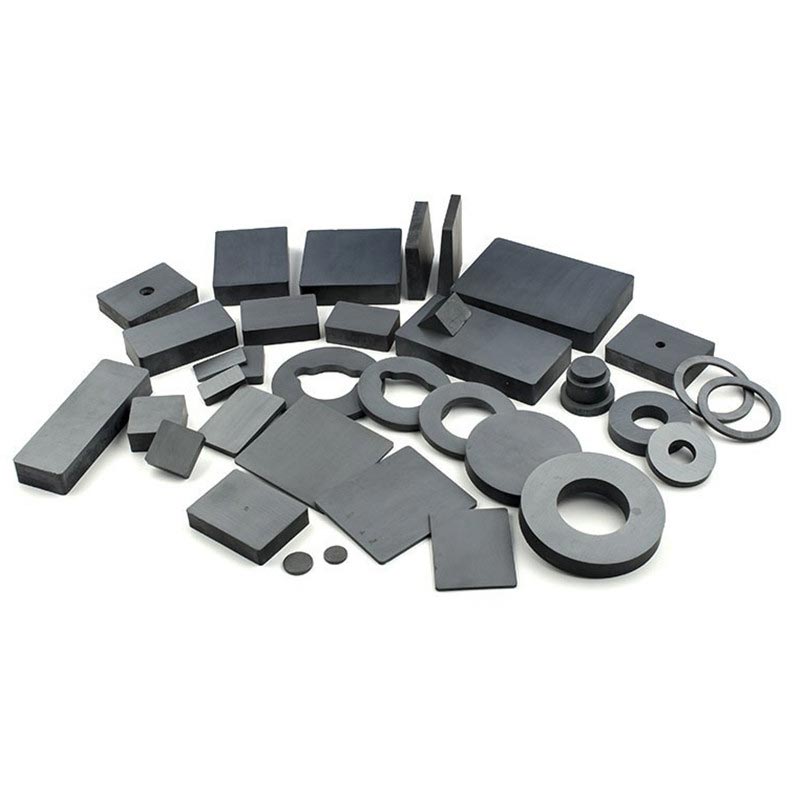
Table of Contents
- What Are Ceramic Ferrite Magnets?
- How Are Ceramic Ferrite Magnets Manufactured?
- Key Properties and Characteristics
- Advantages of Ceramic Ferrite Magnets
- Common Shapes and Specifications
- Industrial Applications of Ferrite Magnets
- Ferrite Magnets vs Other Magnet Types
- How to Choose the Right Ferrite Magnet
- Future Trends in Ferrite Magnet Technology
- Frequently Asked Questions
What Are Ceramic Ferrite Magnets?
Ceramic ferrite magnets, also known as ferrite magnets, are permanent magnets made primarily from iron oxide combined with either strontium or barium carbonate. These materials are processed through a sintering technique to create a hard and brittle magnetic material with strong resistance to corrosion and demagnetization.
Ferrite magnets were first developed in the mid-20th century as a more economical alternative to metal-based magnets. Over time, they became the most commonly produced permanent magnets worldwide due to their affordability and stability.
Unlike rare earth magnets such as neodymium, ferrite magnets are made from abundant raw materials, making them suitable for large-scale industrial use.
- Made primarily from iron oxide and ceramic materials
- Highly resistant to corrosion and oxidation
- Excellent magnetic stability
- Low manufacturing cost
- Widely used in consumer electronics and industrial systems
How Are Ceramic Ferrite Magnets Manufactured?
The manufacturing process of ceramic ferrite magnets involves several specialized steps designed to create strong and durable magnetic materials.
Typical Production Process
- Raw material preparation
- Mixing of iron oxide with strontium or barium carbonate
- Calcination at high temperature
- Grinding and fine powder processing
- Pressing into desired shapes
- Sintering in a high-temperature furnace
- Magnetization and quality testing
During the sintering process, the pressed material is heated to temperatures above 1000°C. This step bonds the ceramic particles together and creates the final magnetic properties of the ferrite magnet.
Advanced manufacturers such as Zhaobao use precision production techniques to ensure consistent magnetic performance and strict quality control.
Key Properties and Characteristics
Ceramic ferrite magnets have several unique characteristics that make them suitable for a wide range of applications.
| Property | Description |
|---|---|
| Material Composition | Iron oxide with strontium or barium carbonate |
| Magnetic Strength | Moderate compared to rare earth magnets |
| Corrosion Resistance | Excellent without protective coating |
| Operating Temperature | Up to 250°C |
| Cost | Very economical |
| Durability | Brittle but chemically stable |
These properties make ferrite magnets ideal for long-term applications where environmental resistance and cost efficiency are important.
Advantages of Ceramic Ferrite Magnets
Ceramic ferrite magnets offer several advantages that contribute to their widespread industrial use.
Major Benefits
- Low production cost
- Strong resistance to corrosion
- Stable magnetic performance
- High electrical resistivity
- Suitable for large-scale production
- No need for expensive rare earth materials
Because of these advantages, ferrite magnets remain one of the most cost-effective magnetic solutions available for manufacturers.
Common Shapes and Specifications
Ceramic ferrite magnets can be produced in various shapes depending on the application requirements.
| Shape | Typical Application |
|---|---|
| Ring | Electric motors and generators |
| Disc | Magnetic sensors and electronic devices |
| Block | Industrial machinery and magnetic assemblies |
| Arc | Motor rotors and stators |
| Custom Shapes | Specialized equipment |
Manufacturers like Zhaobao provide custom ferrite magnet solutions tailored to specific industrial needs.
Industrial Applications of Ferrite Magnets
Ceramic ferrite magnets are used across numerous industries because of their reliability and affordability.
Main Application Areas
- Electric motors
- Loudspeakers and audio equipment
- Magnetic separators
- Automotive components
- Household appliances
- Magnetic sensors
- Consumer electronics
For example, ferrite magnets are commonly found in washing machine motors, cooling fans, and loudspeaker drivers.
Ferrite Magnets vs Other Magnet Types
Different types of permanent magnets are available, each with unique advantages.
| Magnet Type | Magnetic Strength | Cost | Corrosion Resistance |
|---|---|---|---|
| Ferrite Magnets | Moderate | Low | Excellent |
| Neodymium Magnets | Very High | High | Needs coating |
| Alnico Magnets | Moderate | Medium | Good |
| Samarium Cobalt | High | Very High | Excellent |
Although rare earth magnets provide stronger magnetic power, ferrite magnets remain the preferred choice when cost, stability, and corrosion resistance are the primary considerations.
How to Choose the Right Ferrite Magnet
Selecting the appropriate ceramic ferrite magnet depends on several factors.
Important Selection Factors
- Magnetic strength requirements
- Operating temperature
- Environmental conditions
- Required shape and dimensions
- Budget considerations
- Application-specific performance needs
Working with experienced manufacturers such as Zhaobao can help businesses identify the most suitable magnet specifications for their applications.
Future Trends in Ferrite Magnet Technology
As industries continue to develop new technologies, the demand for reliable and affordable magnetic materials continues to grow.
Future advancements in ferrite magnet production are expected to focus on:
- Improved magnetic performance
- Advanced manufacturing processes
- Enhanced customization capabilities
- Energy-efficient production technologies
- Greater integration with electric motor design
With ongoing innovation, ceramic ferrite magnets will remain an essential component in electronics, automotive systems, and renewable energy technologies.
Frequently Asked Questions
Are ceramic ferrite magnets strong?
They offer moderate magnetic strength compared to rare earth magnets but are strong enough for many industrial and consumer applications.
Do ferrite magnets rust?
No. Ferrite magnets have excellent corrosion resistance and typically do not require protective coatings.
What temperature can ferrite magnets withstand?
Most ceramic ferrite magnets can operate at temperatures up to approximately 250°C without losing their magnetic properties.
Why are ferrite magnets so widely used?
Their combination of low cost, corrosion resistance, and stable performance makes them ideal for mass production and industrial applications.
Can ferrite magnets be customized?
Yes. Manufacturers can produce ferrite magnets in a wide range of shapes and sizes to meet specific application requirements.
Conclusion
Ceramic ferrite magnets continue to play a critical role in modern manufacturing and technology. Their affordability, durability, and reliable magnetic performance make them a preferred choice across industries ranging from consumer electronics to automotive engineering.
With the expertise of manufacturers such as Zhaobao, businesses can access high-quality ferrite magnet solutions tailored to their technical requirements. Whether used in motors, speakers, or industrial equipment, ceramic ferrite magnets remain one of the most practical and widely used permanent magnet materials in the world.
If you are looking for reliable magnetic solutions or want to learn more about customized ferrite magnets, feel free to contact us to explore professional support and high-quality products tailored to your needs.