Zhaobao has supplied premium Cobalt Magnets to global industrial customers for years, delivering reliable magnetic performance in demanding environments. Designed for extreme temperatures, corrosion resistance, and long-term stability, these magnets remain an excellent choice for aerospace, defense, automotive, medical, and industrial applications where conventional magnets may fail.
Cobalt magnets are among the most dependable permanent magnets available today. Their excellent resistance to demagnetization, outstanding thermal stability, and superior corrosion resistance make them ideal for harsh operating conditions. Although rare earth neodymium magnets often receive more attention because of their stronger magnetic force, cobalt-based magnets continue to dominate applications requiring exceptional reliability under extreme temperatures.
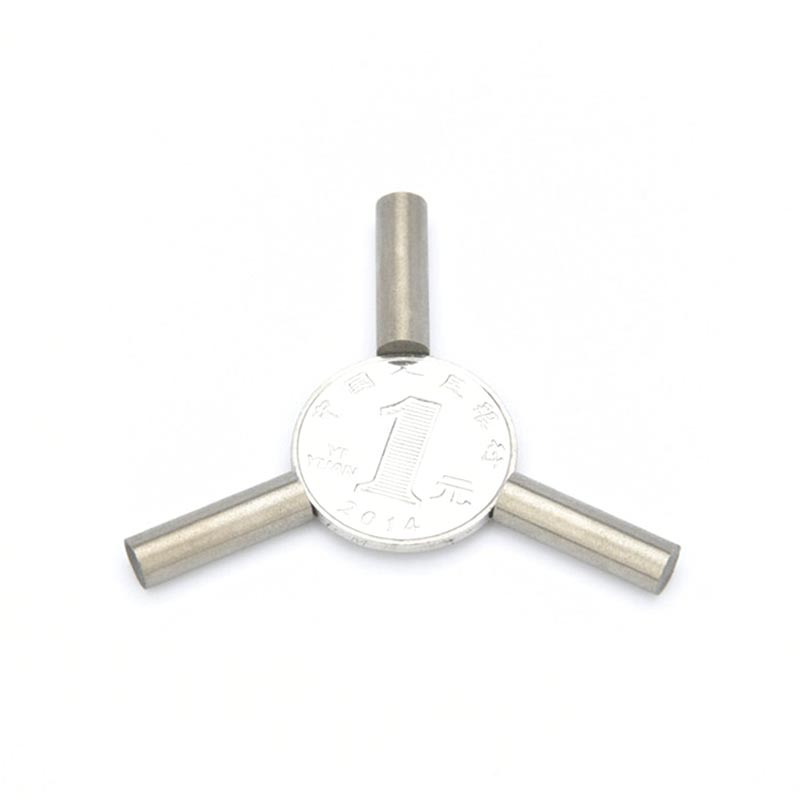
What Are Cobalt Magnets?
Cobalt magnets generally refer to samarium cobalt (SmCo) permanent magnets, one of the two major families of rare earth magnets. They combine samarium and cobalt to produce exceptionally stable magnetic properties while maintaining high resistance to heat, oxidation, and corrosion.
Unlike many conventional magnetic materials, cobalt magnets retain their magnetic performance even after prolonged exposure to temperatures exceeding 300°C, making them suitable for environments where thermal stability is critical. Depending on the specific grade and manufacturing process, some specialized SmCo magnets can withstand temperatures approaching 550°C without significant magnetic degradation.
Their unique crystal structure provides high coercivity, meaning they strongly resist external magnetic fields that might otherwise cause demagnetization. This characteristic is particularly valuable in precision electronic systems and mission-critical industrial equipment.
Main Characteristics
-
Excellent magnetic stability over long service periods
-
Outstanding resistance to corrosion without protective coatings
-
Superior resistance to oxidation
-
Very high maximum operating temperatures
-
Excellent dimensional stability
-
Suitable for vacuum and clean-room environments
-
Reliable magnetic performance in harsh industrial conditions
Because of these properties, cobalt magnets are frequently selected for applications where equipment failure is unacceptable and maintenance opportunities are limited.
Why Are Cobalt Magnets So Popular?
Engineers continue selecting cobalt magnets because they provide an exceptional balance between magnetic strength and environmental durability. While stronger magnetic materials exist, few offer the same level of stability under demanding operating conditions.
Excellent High-Temperature Performance
One of the greatest strengths of cobalt magnets is their ability to maintain magnetic properties under continuous high-temperature exposure. This makes them ideal for aerospace engines, automotive systems, industrial motors, and military electronics where operating temperatures frequently exceed the limits of standard magnets.
Outstanding Corrosion Resistance
Unlike many permanent magnets that require nickel, epoxy, or zinc coatings, cobalt magnets naturally resist oxidation and corrosion. They can therefore be used in humid environments, chemical processing equipment, marine systems, and vacuum chambers with minimal additional protection.
Long-Term Magnetic Stability
Cobalt magnets experience extremely low irreversible magnetic loss during years of operation. Their stable magnetic output helps ensure accurate positioning, sensing, and motion control in precision equipment.
High Resistance to Demagnetization
Strong external magnetic fields, mechanical vibration, and elevated temperatures often reduce the effectiveness of ordinary magnets. Cobalt magnets, however, exhibit exceptionally high coercivity, allowing them to resist demagnetization even under challenging operating conditions.
Suitable for Precision Industries
Industries that require highly reliable magnetic components—including aerospace, defense, semiconductor manufacturing, renewable energy, and medical equipment—frequently rely on cobalt magnets because of their consistent magnetic characteristics and predictable long-term performance.
Key Advantages at a Glance
-
Excellent thermal stability
-
Superior corrosion resistance
-
Reliable magnetic consistency
-
Long service life
-
Minimal maintenance requirements
-
High resistance to demagnetization
-
Suitable for demanding industrial environments
Although cobalt magnets generally cost more than ferrite magnets and require careful machining because of their brittleness, their long operational lifespan often delivers a lower total cost of ownership in critical industrial applications.
Where Are Cobalt Magnets Used?
The exceptional thermal stability and corrosion resistance of cobalt magnets make them suitable for industries where reliability is more important than achieving the absolute highest magnetic strength. Their ability to perform consistently under harsh environmental conditions has made them indispensable across many high-tech sectors.
Aerospace Industry
Aircraft engines, satellite systems, guidance equipment, and aerospace sensors often operate under extreme temperature fluctuations and demanding environmental conditions. Cobalt magnets maintain stable magnetic performance even after long-term exposure to high temperatures, helping ensure system reliability throughout extended service cycles.
-
Aircraft generators
-
Flight control sensors
-
Satellite positioning systems
-
Navigation equipment
-
Space exploration devices
Medical Equipment
Medical devices require highly reliable magnetic components with excellent corrosion resistance and dimensional stability. Cobalt magnets are commonly found in imaging systems, surgical tools, laboratory instruments, and precision diagnostic equipment.
-
MRI support components
-
Medical pumps
-
Surgical instruments
-
Laboratory automation systems
-
Precision medical motors
Industrial Automation
Modern factories depend on highly accurate motion control systems. Cobalt magnets improve positioning accuracy while maintaining stable magnetic force over years of continuous operation.
-
Servo motors
-
Industrial robots
-
Precision encoders
-
CNC machinery
-
Factory automation equipment
Automotive Applications
As electric and hybrid vehicles continue to evolve, many critical automotive systems operate under increasingly demanding thermal conditions. Cobalt magnets provide dependable performance inside electric pumps, sensors, actuators, and braking systems.
Defense and Military Equipment
Military systems often require magnets capable of operating reliably in extreme climates, vibration, and electromagnetic environments. Their high coercivity makes cobalt magnets an excellent choice for radar systems, missile guidance, communication equipment, and precision actuators.
How Are Cobalt Magnets Manufactured?
Producing high-quality cobalt magnets requires precise material preparation and strict quality control throughout every manufacturing stage. Each step directly influences the final magnetic performance, dimensional accuracy, and service life.
Raw Material Preparation
High-purity samarium and cobalt powders are carefully measured according to specific material grades. Strict composition control ensures consistent magnetic characteristics across production batches.
Powder Milling
The raw materials are finely milled into microscopic particles. Uniform particle size is essential for producing magnets with high magnetic density and excellent structural integrity.
Magnetic Alignment Pressing
The powder is compressed under a powerful magnetic field, allowing microscopic particles to align in the preferred magnetic direction before sintering.
High-Temperature Sintering
The pressed components are sintered inside controlled-atmosphere furnaces at carefully regulated temperatures. This process creates a dense crystalline structure that provides superior magnetic performance.
Precision Machining
Since cobalt magnets are relatively brittle after sintering, diamond grinding equipment is typically used to achieve precise dimensions while minimizing cracking.
Magnetization
The finished parts are exposed to an intense magnetic field that permanently aligns their internal magnetic domains, producing the final magnetic properties required for industrial applications.
Final Inspection
Every finished magnet undergoes comprehensive testing, including dimensional inspection, magnetic flux measurement, coercivity verification, appearance inspection, and performance validation before shipment.
Cobalt Magnets vs Other Permanent Magnets
Different permanent magnet materials offer unique advantages. Selecting the right material depends on operating temperature, magnetic strength requirements, environmental conditions, and project budget.
|
Property
|
Cobalt Magnets (SmCo)
|
Neodymium Magnets
|
Ferrite Magnets
|
|
Magnetic Strength
|
Very High
|
Extremely High
|
Moderate
|
|
Maximum Operating Temperature
|
Up to 350–550°C
|
80–230°C
|
250°C
|
|
Corrosion Resistance
|
Excellent
|
Requires Coating
|
Excellent
|
|
Resistance to Demagnetization
|
Excellent
|
Very Good
|
Good
|
|
Mechanical Strength
|
Brittle
|
Moderately Brittle
|
Strong
|
|
Typical Cost
|
High
|
Medium to High
|
Low
|
|
Typical Applications
|
Aerospace, Medical, Military
|
Motors, Consumer Electronics
|
Speakers, Home Appliances
|
Although neodymium magnets generally produce higher magnetic force, cobalt magnets outperform them in environments involving elevated temperatures, aggressive chemicals, vacuum conditions, and long-term reliability requirements. For mission-critical equipment where failure is not an option, cobalt magnets often provide the best overall value despite their higher initial investment.
How to Choose the Right Cobalt Magnets
Selecting the right cobalt magnets requires more than simply choosing the strongest magnetic grade. Engineers and purchasing managers should evaluate the complete operating environment, expected service life, installation constraints, and budget. A well-selected magnet can improve equipment reliability while reducing maintenance costs over the long term.
Evaluate the Operating Temperature
Temperature is one of the most important selection criteria. Although cobalt magnets are designed for high-temperature environments, different grades offer different maximum operating temperatures. Choosing a magnet with sufficient thermal margin helps maintain stable magnetic performance throughout the product's lifecycle.
Consider Magnetic Performance Requirements
Determine the required magnetic flux density, holding force, and coercivity before selecting a specific grade. Applications such as precision sensors, motors, and actuators often require a balance between magnetic strength and long-term stability rather than maximum magnetic force alone.
Select the Appropriate Shape and Dimensions
Cobalt magnets are available in a wide range of custom geometries to suit different assemblies. Common configurations include:
-
Disc magnets
-
Ring magnets
-
Block magnets
-
Arc magnets
-
Cylinder magnets
-
Countersunk magnets
-
Custom-machined components
Review Environmental Conditions
Although cobalt magnets naturally resist corrosion, it is still important to consider exposure to vibration, mechanical shock, chemicals, humidity, or vacuum environments. Understanding these conditions ensures the selected material will deliver consistent performance over time.
Partner with an Experienced Manufacturer
An experienced supplier can provide valuable engineering support, recommend suitable material grades, optimize magnet dimensions, and assist with custom designs for specialized applications. Reliable manufacturing and strict quality control are equally important for ensuring consistent magnetic properties across production batches.
Maintenance and Storage Tips
Although cobalt magnets require relatively little maintenance, following proper handling and storage practices can maximize their service life and reduce the risk of accidental damage.
-
Store magnets in a clean, dry environment.
-
Avoid strong mechanical impacts, as sintered cobalt magnets are brittle.
-
Keep magnets separated using non-magnetic spacers when appropriate.
-
Do not expose magnets to unnecessary magnetic fields during storage.
-
Wear protective gloves when handling larger magnets.
-
Inspect magnets periodically for chips or cracks before installation.
-
Follow manufacturer recommendations regarding operating temperatures.
Proper storage not only preserves magnetic performance but also helps maintain dimensional accuracy and minimizes the likelihood of mechanical damage during transportation or long-term inventory storage.
Future Trends of Cobalt Magnet Technology
As industries continue moving toward electrification, automation, renewable energy, and advanced medical technologies, demand for high-performance permanent magnets is expected to grow steadily. Cobalt magnets remain an important solution for applications where thermal stability and reliability outweigh the need for maximum magnetic strength.
Manufacturers are continuously improving powder metallurgy techniques, precision machining capabilities, and magnetic alignment technologies to achieve higher consistency, tighter dimensional tolerances, and better overall performance. These advancements support increasingly sophisticated applications in aerospace, robotics, semiconductor manufacturing, and clean energy systems.
Another notable trend is the growing demand for customized magnetic solutions. Rather than relying solely on standard catalog products, many OEMs now require magnets designed specifically for unique assemblies, enabling higher efficiency, reduced weight, and improved equipment performance.
Looking ahead, cobalt magnets are expected to remain a preferred choice wherever exceptional temperature resistance, corrosion resistance, and long-term magnetic stability are essential for mission-critical operations.
Frequently Asked Questions About Cobalt Magnets
What are cobalt magnets mainly used for?
Cobalt magnets are mainly used in industries that require stable magnetic performance under extreme conditions. Common applications include aerospace equipment, medical devices, industrial motors, sensors, robotics, automotive systems, defense equipment, and precision electronic components. Their excellent resistance to high temperatures and demagnetization makes them especially suitable for mission-critical applications.
Are cobalt magnets stronger than neodymium magnets?
In terms of maximum magnetic strength, neodymium magnets generally provide higher magnetic energy density than cobalt magnets. However, cobalt magnets offer superior thermal stability, corrosion resistance, and resistance to demagnetization. Therefore, cobalt magnets are often preferred in high-temperature or harsh environments where long-term reliability is more important than maximum magnetic force.
How high a temperature can cobalt magnets withstand?
The maximum operating temperature of cobalt magnets depends on the specific material grade and application conditions. Many samarium cobalt magnets can operate continuously at temperatures above 300°C, while specialized grades can withstand temperatures approaching 550°C. Selecting the correct grade is essential for maintaining stable magnetic performance.
Do cobalt magnets require protective coatings?
Cobalt magnets naturally provide excellent corrosion and oxidation resistance compared with many other rare earth magnets. In most applications, additional protective coatings are not necessary. However, special environments involving chemicals, extreme humidity, or specific industrial requirements may still require additional surface treatments.
Why are cobalt magnets more expensive than ferrite magnets?
The higher cost of cobalt magnets comes from their rare earth raw materials, advanced manufacturing process, and precision machining requirements. However, their extended service life, reduced maintenance needs, and reliable performance in harsh environments often make them a cost-effective choice for high-value equipment.
Can cobalt magnets be customized?
Yes. Cobalt magnets can be customized in terms of shape, size, magnetic grade, tolerance, and surface requirements. Professional manufacturers can develop customized solutions based on specific application conditions, including motor assemblies, sensors, automation equipment, and aerospace components.
Conclusion
Cobalt magnets continue to play an important role in advanced industrial applications because of their unique combination of high-temperature resistance, excellent corrosion protection, strong coercivity, and long-term magnetic stability. While other permanent magnets may provide higher magnetic strength at lower costs, cobalt magnets remain the preferred solution when reliability and performance under extreme conditions are the top priorities.
From aerospace systems and medical technologies to automation equipment and precision electronics, cobalt magnets provide dependable magnetic solutions that help industries achieve higher efficiency and longer equipment lifespans. Choosing the right magnet grade, dimensions, and manufacturing partner is essential for achieving optimal performance in every application.
If you are looking for reliable cobalt magnet solutions customized for your specific industrial requirements, please contact us today. Our professional team can provide technical consultation, customized designs, and high-quality magnetic products to support your next project with dependable performance and long-term value.