Products
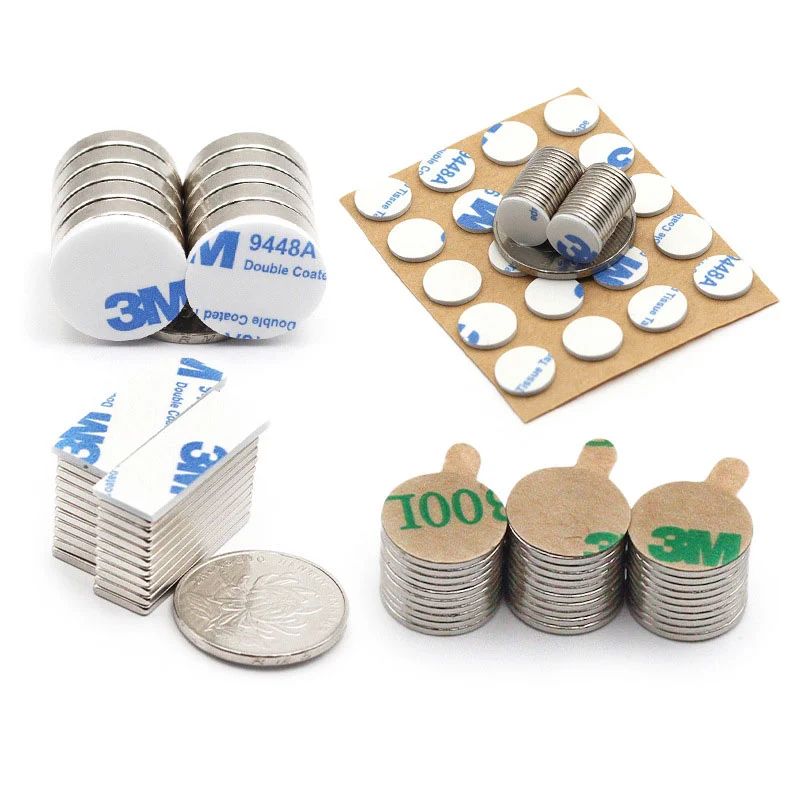
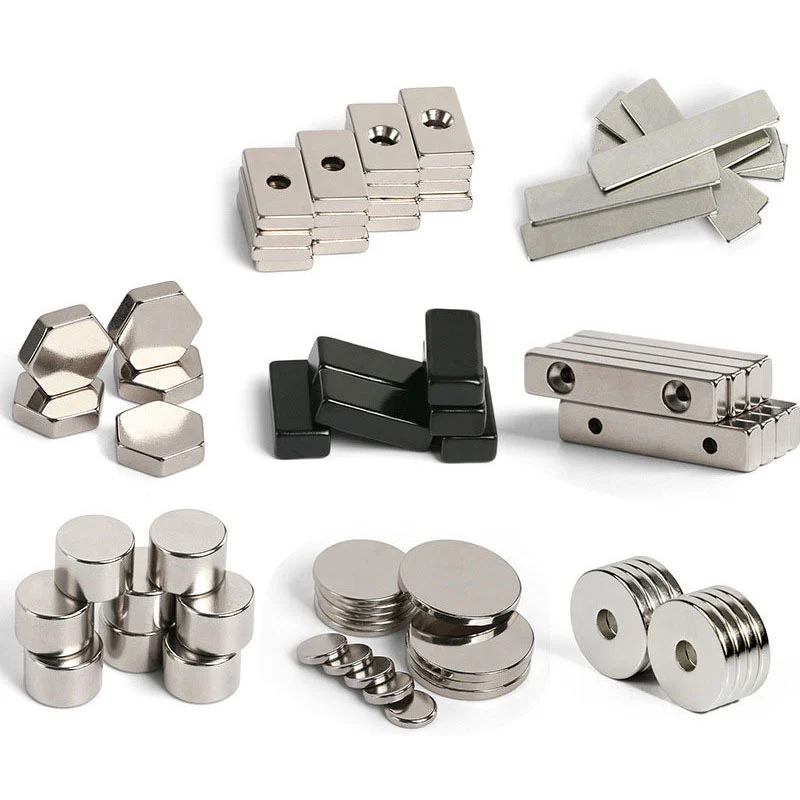
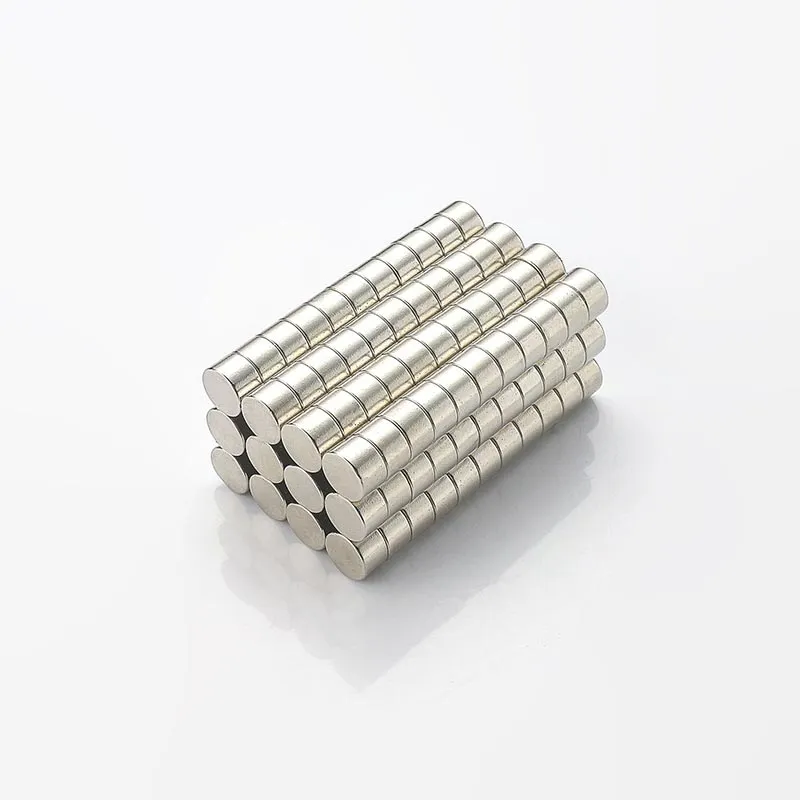
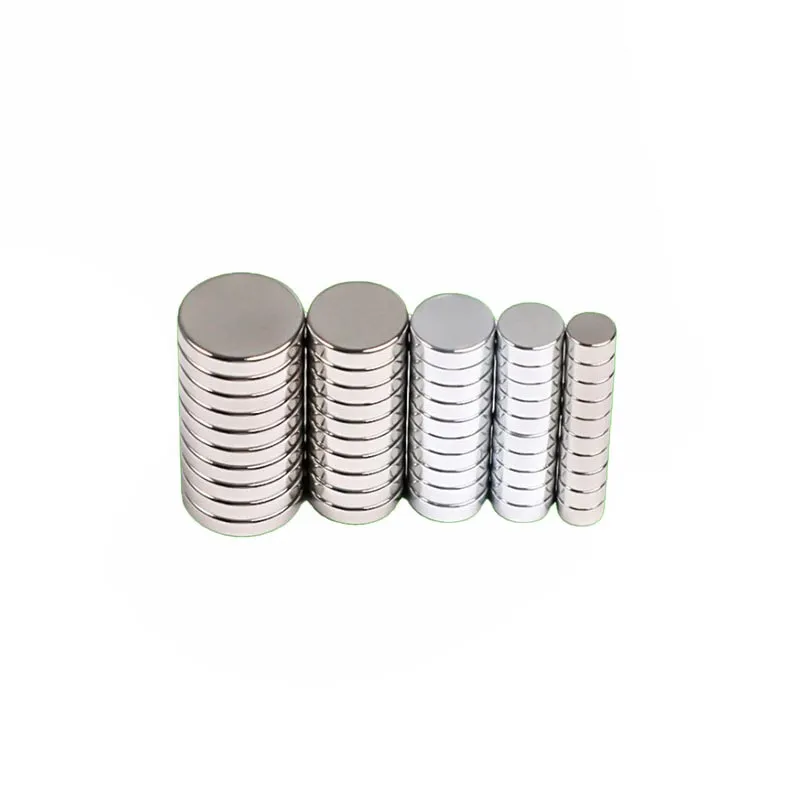
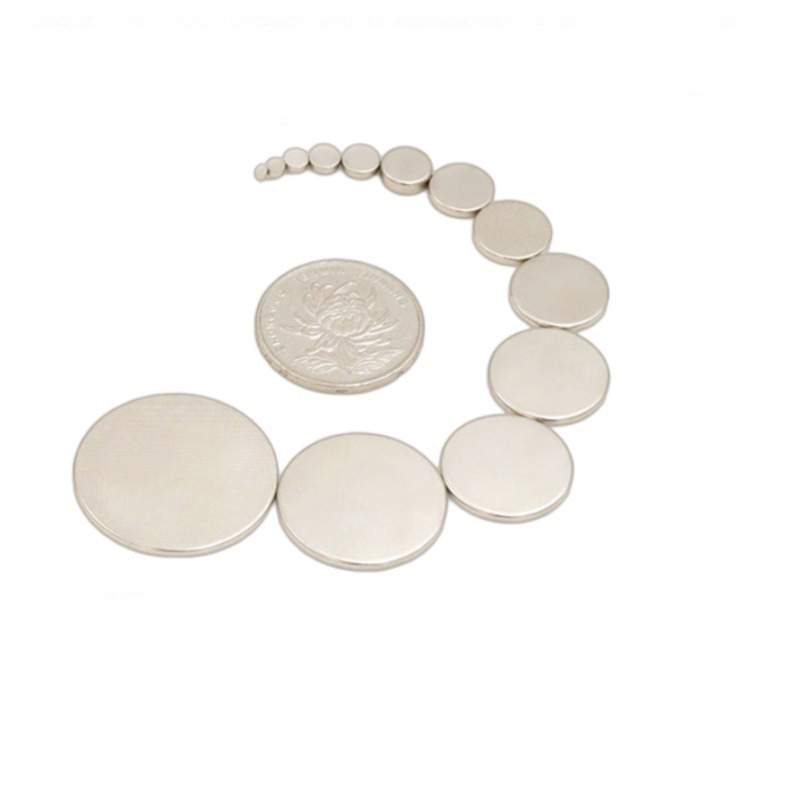
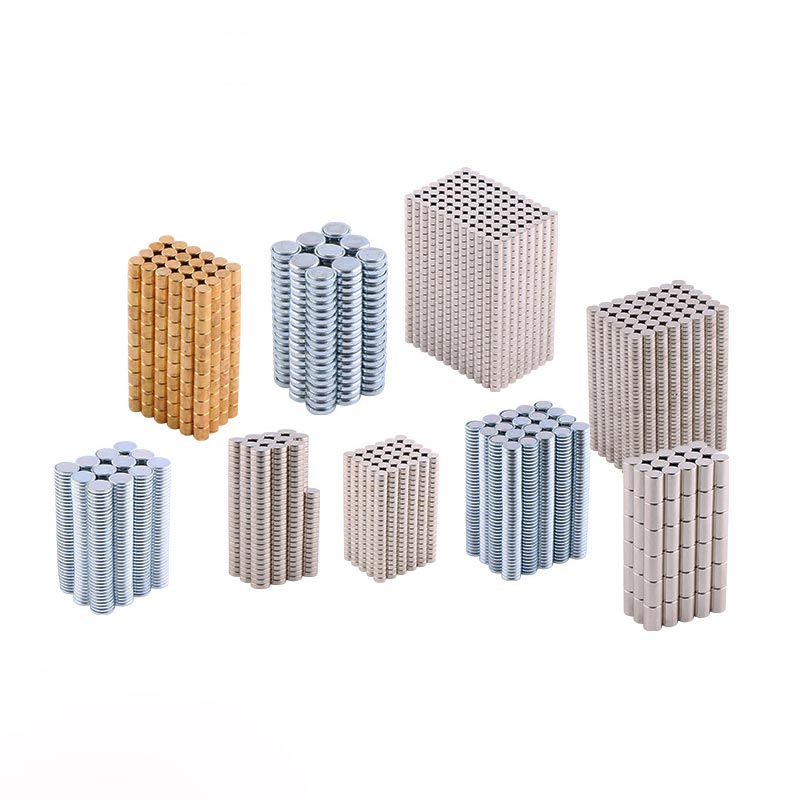
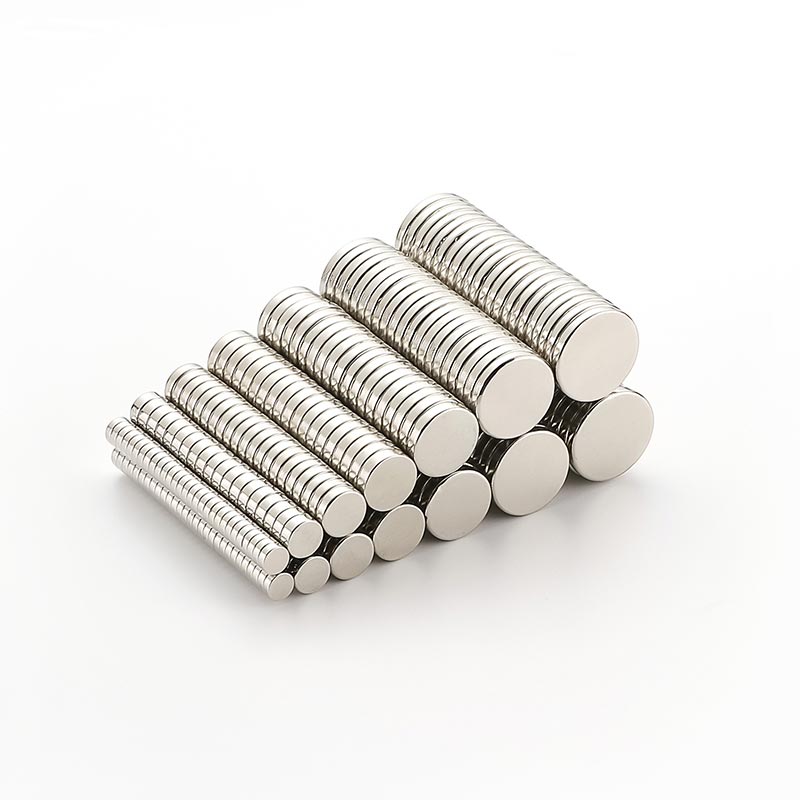
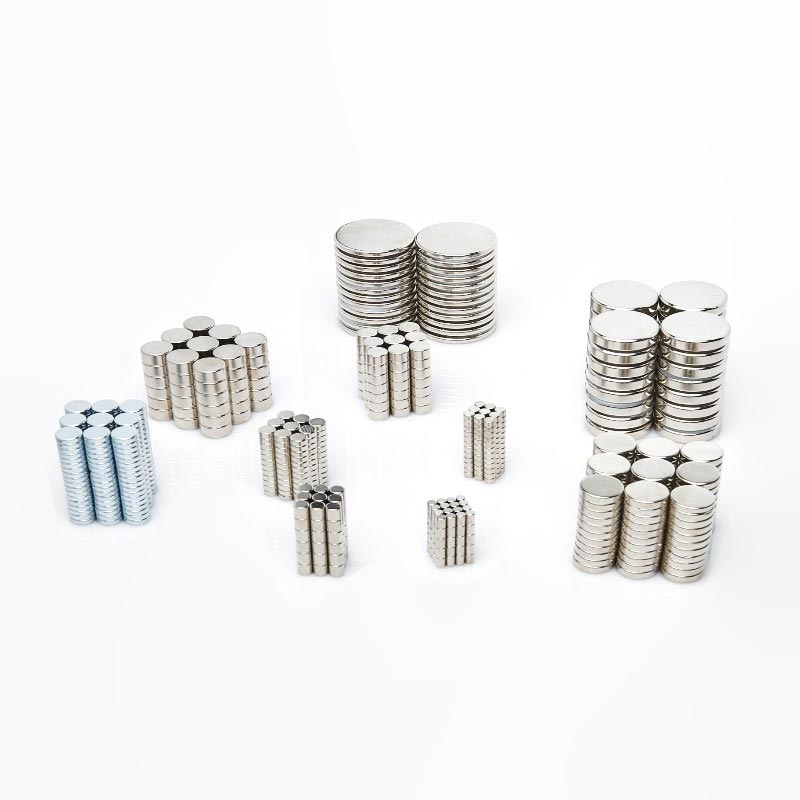
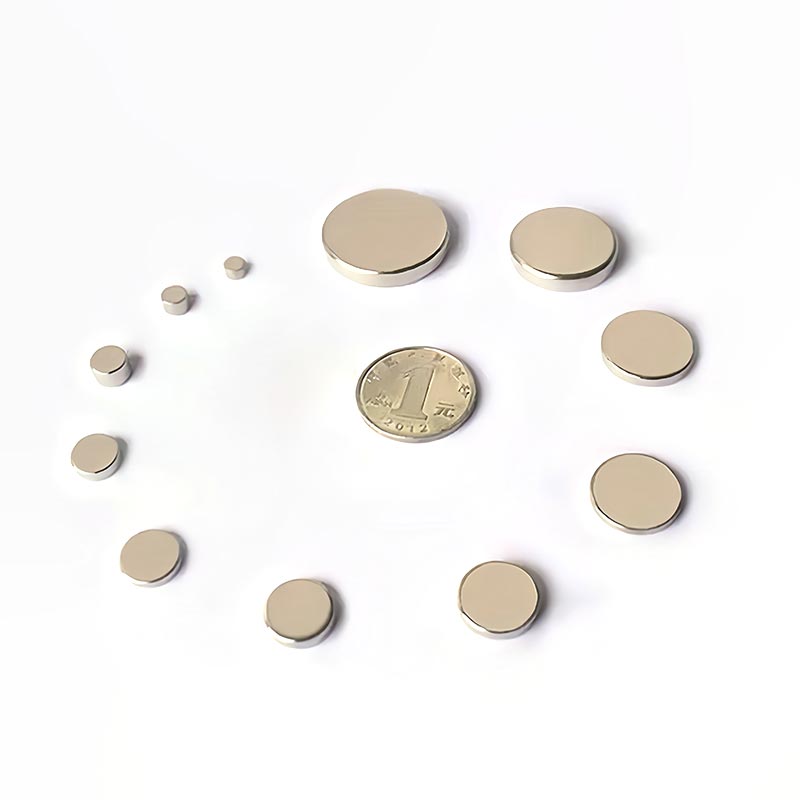
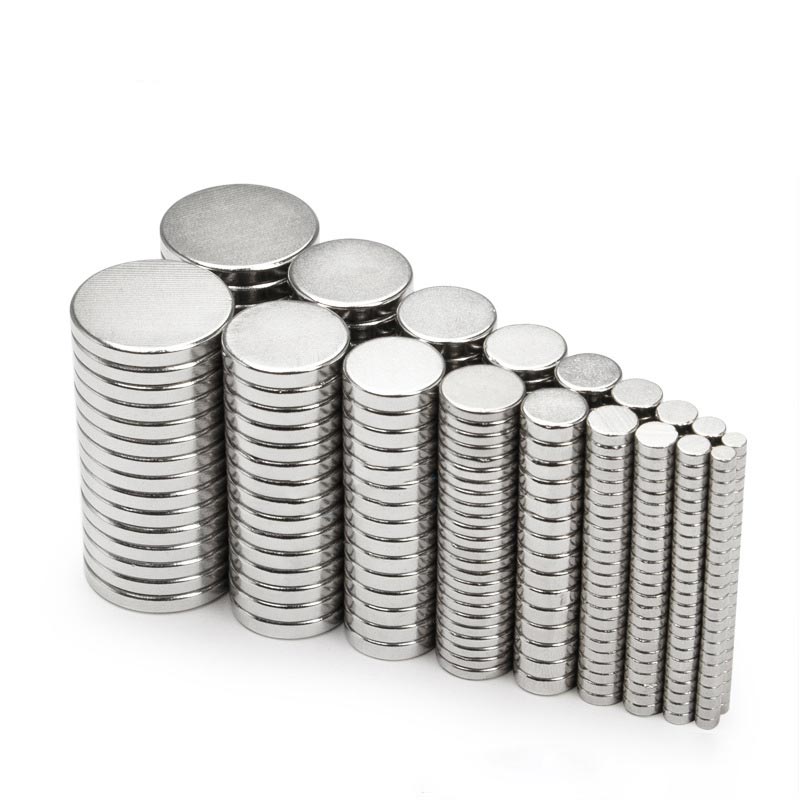
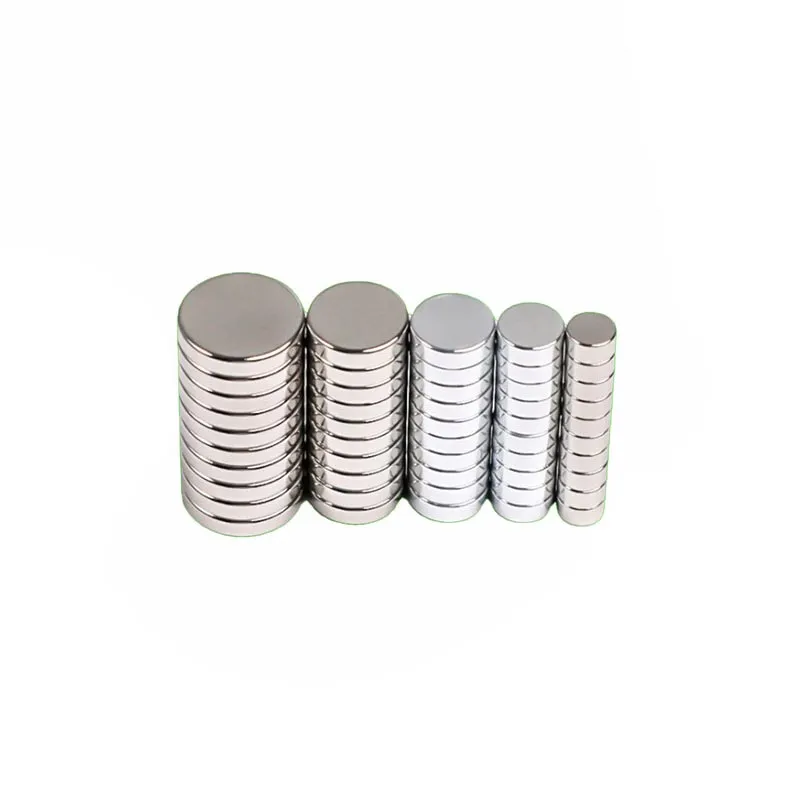
Strong Neodymium Round Magnets
Purchase factory-direct Strong Neodymium Round Magnets from Zhaobao Magnet Group today. As an IATF16949 certified leader, Zhaobao supplies custom magnetic solutions from N35 to super-high N54, N54SH, and N54UH grades with competitive pricing, ISO9001 quality, free samples, and fast delivery for industrial automation, automotive, and electronic applications worldwide.
Send Inquiry
Product Description
Purchase factory-direct Strong Neodymium Round Magnets from Zhaobao Magnet Group. Contact us for custom grades (N35-N54UH), precision tolerances, free samples, and certified bulk supply.
30-Year Precision Engineering: Zhaobao Magnet Group
Established in the 1990s, Zhaobao Magnet Group is one of China's pioneer enterprises dedicated to the research, development, and high-volume manufacturing of rare earth permanent magnets. Spanning over 60,000 square meters of modern production facilities and employing a skilled workforce of over 500 professionals, our primary factory yields an annual capacity exceeding 8,000 tons of high-performance neodymium magnets. In strategic partnership with the Chinese Academy of Sciences, we established the "Permanent Magnet Motor Magnet Engineering Technology Center," holding 22 proprietary invention patents. Our R&D team specializes in addressing complex industrial challenges such as excitation loss, thermal degradation, and performance inconsistency, mass-producing ultra-high grades including N54, N54SH, N54UH, N48EH, and N45AH.
When you purchase our Strong Neodymium Round Magnets, you are sourcing directly from the primary manufacturer. By managing raw material sourcing, vacuum sintering, machining, plating, and testing entirely in-house, we eliminate intermediary markups, ensuring complete control over tolerances, field consistency, and delivery schedules.
Direct Factory Value & Zero-Risk Testing
Many of our long-term industrial clients transitioned to us after experiencing premature magnetic loss or mechanical failure with third-party suppliers. In real-world assembly environments, our Strong Neodymium Round Magnets consistently outperform market standards in operational lifespan, mechanical integrity, and thermal stability. We offer free evaluation samples with zero obligation, allowing your engineering team to verify mechanical tolerances, surface plating, and pull force prior to full-scale production commitment.
Decoding the "Strong" Factor: N35 vs. N52 Grade Selection
In neodymium magnet specifications, the "N" number refers to the Maximum Energy Product (BHmax), measured in Mega-Gauss Oersteds (MGOe). This metric represents the maximum magnetic flux density that a magnet material can emit per unit volume. However, selecting a higher grade does not automatically translate to better performance in every application.
| Grade | Energy Product (BHmax) | Residual Flux Density (Br) | Primary Application Profile |
|---|---|---|---|
| N35 | 33 - 36 MGOe | 11.7 - 12.2 kG | Cost-sensitive applications, general holding fixtures, sensors. |
| N42 | 40 - 43 MGOe | 12.8 - 13.2 kG | Balanced performance for consumer electronics, industrial latches. |
| N52 | 49 - 52 MGOe | 14.2 - 14.7 kG | Maximum holding force in tight spatial envelopes, high-efficiency motors. |
Technical Insight: Maximum pull force depends significantly on the aspect ratio (Thickness-to-Diameter ratio). For thin disc profiles (e.g., a 20mm diameter disc with only 1mm thickness), the magnetic demagnetizing field reduces the effective output of an N52 magnet close to that of an N35 magnet. Conversely, when the thickness approaches 30% to 50% of the diameter, high grades like N52 deliver their full potential. Our technical team assists in optimizing geometry so you avoid over-specifying costly grades when structural aspect ratios do not support them.
Thermal Stability: Understanding Coercivity Suffixes (M, H, SH, UH, EH, AH)
Standard N-series neodymium magnets suffer irreversible demagnetization when exposed to operating temperatures above 80°C (176°F). To maintain reliable field strength in automotive, industrial, and outdoor applications, high Intrinsic Coercivity (Hcj) elements must be alloyed into the NdFeB crystal matrix.
| Grade Suffix | Max Working Temp (°C / °F) | Intrinsic Coercivity (Hcj) | Recommended Industry Use |
|---|---|---|---|
| Standard (No Suffix) | 80°C / 176°F | ≥ 12 kOe | Indoor ambient environments, consumer devices. |
| M Series | 100°C / 212°F | ≥ 14 kOe | Enclosed electronics, acoustic transducers. |
| H Series | 120°C / 248°F | ≥ 17 kOe | Precision industrial sensors, brushless DC motors. |
| SH Series | 150°C / 302°F | ≥ 20 kOe | Automotive under-hood actuators, industrial drives. |
| UH Series | 180°C / 356°F | ≥ 25 kOe | High-load magnetic couplings, generator rotors. |
| EH / AH Series | 200°C - 230°C / 446°F | ≥ 30 kOe | Aerospace, severe duty industrial heating setups. |
Selecting the incorrect thermal rating risks total system failure. In automotive electric power steering (EPS) or industrial sorting conveyors running continuous duty cycles, internal temperatures can quickly spike past 100°C. Utilizing our high-coercivity Strong Neodymium Round Magnets ensures field stability and prevents thermal demagnetization over years of service.
Corrosion Protection & Durability
Raw Neodymium-Iron-Boron material contains high concentrations of iron, making it highly susceptible to oxidation and corrosion in humid environments. A high-quality protective coating is essential for long-term reliability.
Disc vs. Ring Geometries
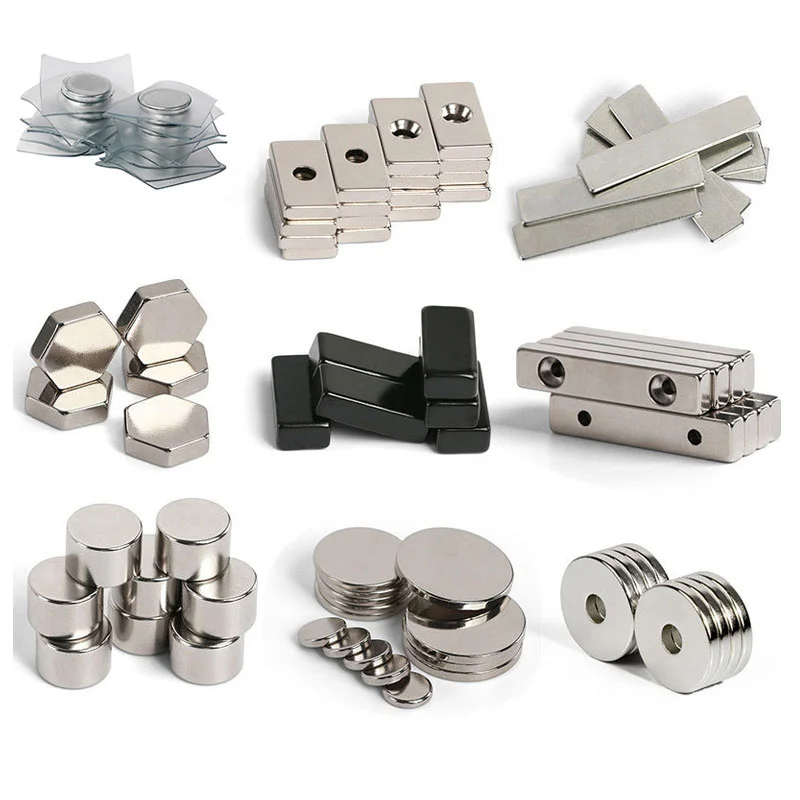
Round magnets are available primarily as solid discs or countersunk/straight-hole rings. Choosing the correct geometric profile optimizes magnetic flux distribution and physical installation efficiency.
Solid Round Discs: Deliver maximum surface contact and uniform magnetic field projection across the entire face. They are ideal for press-fit housings, magnetic clamping pads, and adhesive-bonded assemblies.
Countersunk & Straight Rings: Designed for mechanical fastening using standard flat-head screws or bolts (M3, M4, M5, etc.). This allows secure anchoring onto non-magnetic structures such as aluminum frames, wood panels, or 3D-printed housings without relying solely on chemical adhesives.
Critical Safety Protocol for Handling High-Strength Magnets
Warning: High-power neodymium rare-earth magnets produce powerful attraction forces that require strict handling precautions.
Industrial and Commercial Application Spectrum
Our premium Strong Neodymium Round Magnets are deployed across critical commercial, technical, and industrial environments worldwide:
Precision Dimensions, Holding Force, and Machining Tolerances
Holding force is not purely a function of mass; it is dictated by the magnetic circuit, pole area, backing plate material, surface roughness, and air gaps. A 1mm air gap (caused by paint, dust, or plating) can drop holding force by up to 50%.
At Zhaobao Group, we operate ultra-precision wire cutting, slicing, and grinding machinery, maintaining strict dimensional tolerances of ±0.05mm as standard, with custom tolerances down to ±0.02mm for high-precision motor applications. Every batch of our Strong Neodymium Round Magnets undergoes automated dimensional checking and flux testing before shipment, complete with full inspection test reports.
Frequently Asked Questions
Q1: How competitive are your prices? Are there any hidden markups?
A: As a direct manufacturer, we source raw materials and perform all processing in-house. You deal directly with our factory team with transparent pricing structures and zero middleman markups for both volume orders and custom R&D batches.
Q2: Can I request customized samples before committing to a full order?
A: Yes. We supply free standard test samples to qualified corporate clients. Custom prototype sizes and specialized coatings are also available rapidly through our quick-turn R&D sample line.
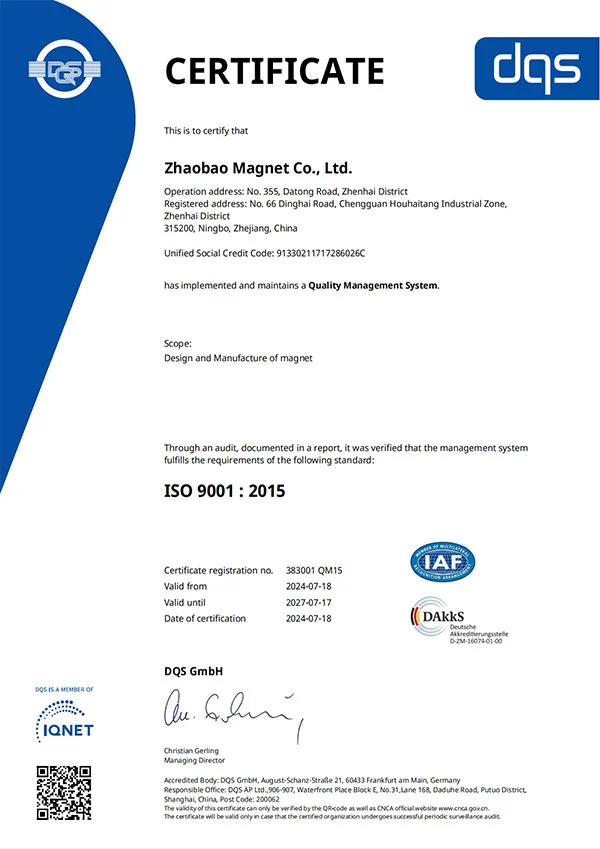
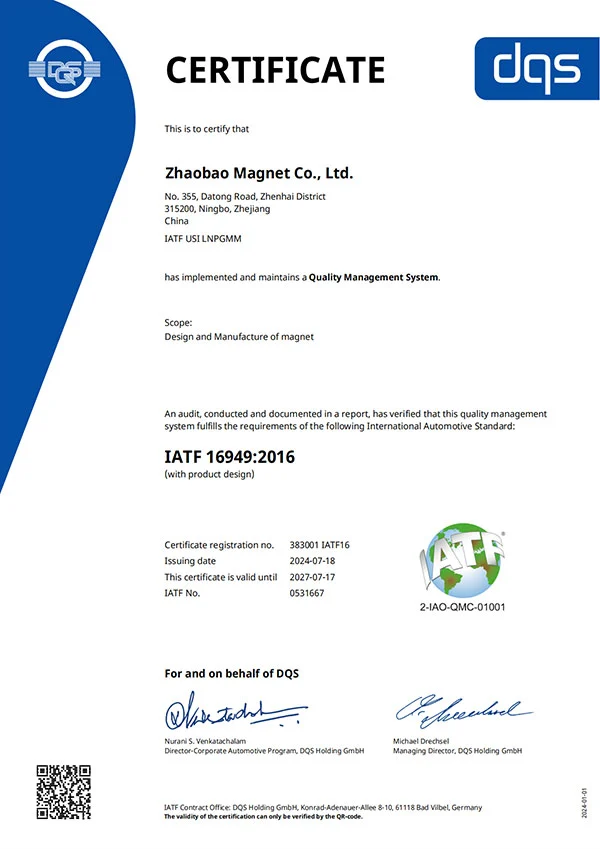
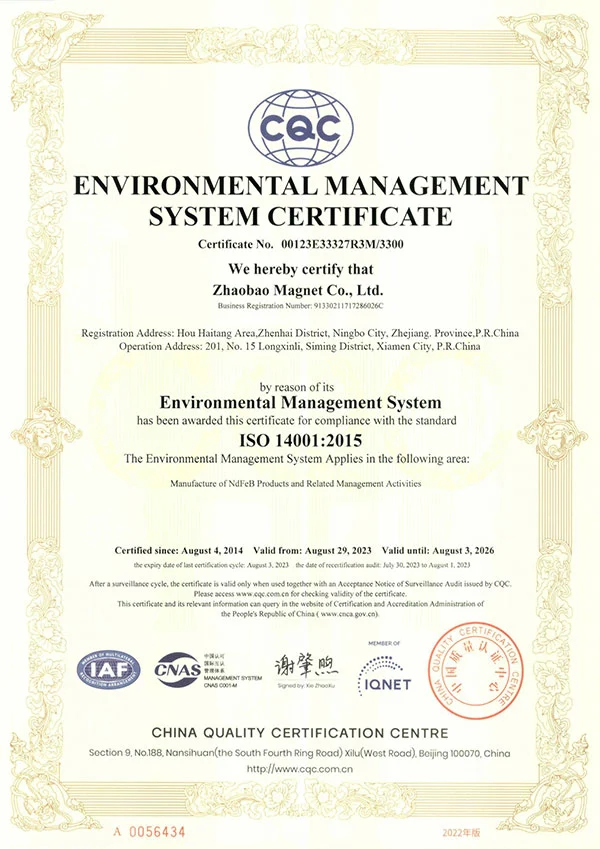
Q3: What quality management certifications govern your manufacturing?
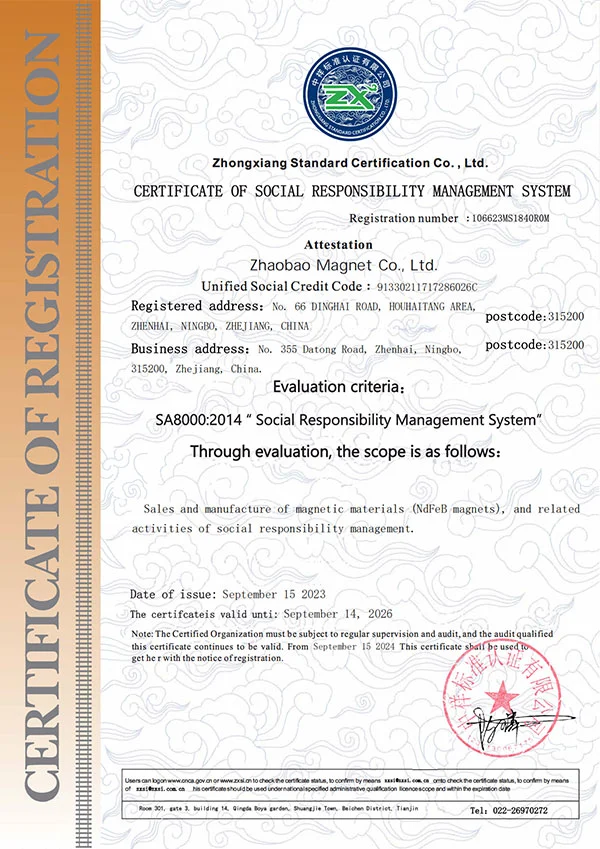
A: Our facilities operate strictly under IATF 16949 (Automotive Quality Standard) and ISO 9001 systems. Compliance test certificates and material data sheets (RoHS, REACH) are included with shipments.
Q4: Can I stack multiple round magnets to double the holding strength?
A: Stacking identical disc magnets increases total magnetic volume and pull force, but with diminishing returns. Once the combined thickness exceeds approximately half the diameter, additional stacking produces minimal increase in force due to stray flux leakage.
Q5: What is the optimal method for storing strong round magnets to prevent degradation?
A: Store magnets in clean, dry environments within their original non-magnetic spacer packaging. When storing individual large magnets, place mild steel "keepers" across the poles to bridge magnetic flux and prevent stray field exposure to nearby equipment.
Hot Tags: Strong Neodymium Round Magnets, Supplier, Manufacturer, Factory
Related Category
Send Inquiry
Please feel free to give your inquiry in the form below. We will reply you in 24 hours.