
China Block Magnet Manufacturer, Supplier, Factory
Products
- View as
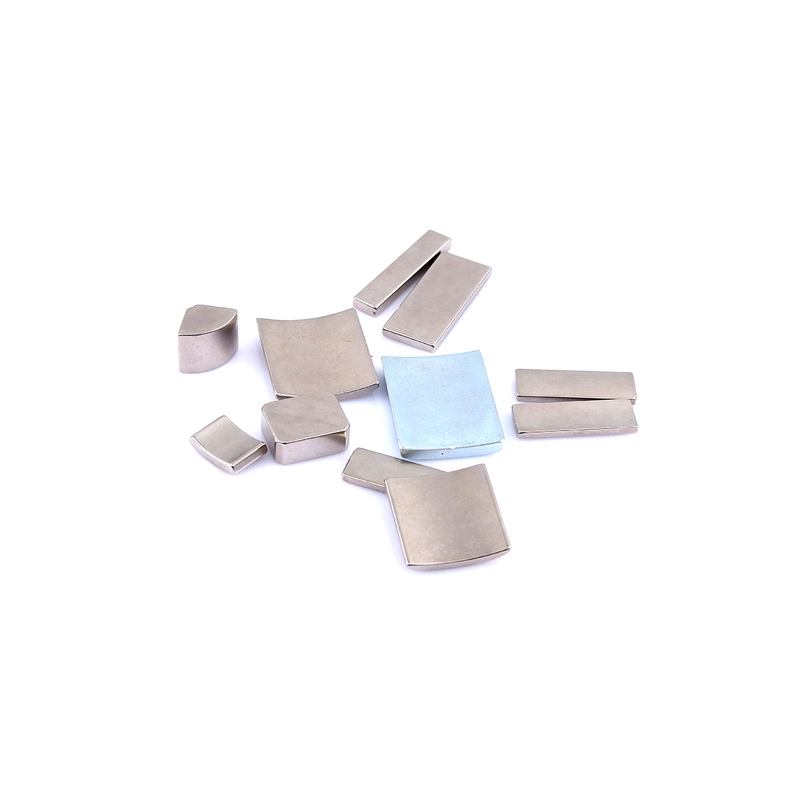
industrial magnet
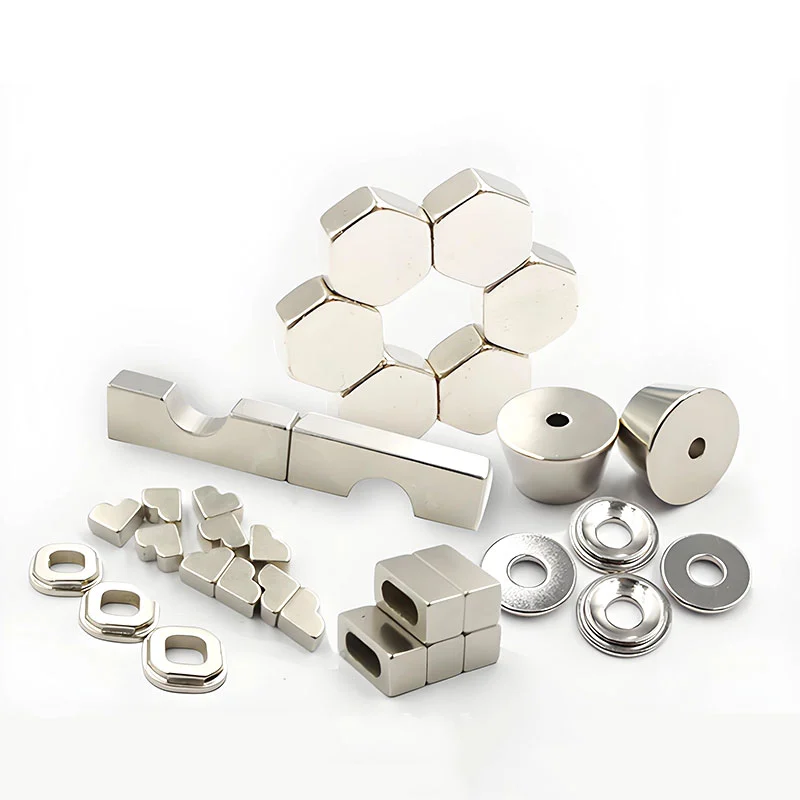
If you want to know the performance of industrial magnet? Please contact ZHAOBAO MAGNET GROUP. As a professional factory, we can provide solutions for both new and old customers, optimize the performance, resilience and sustainability of critical industrial systems. Welcome to consult.
Read MoreSend Inquiry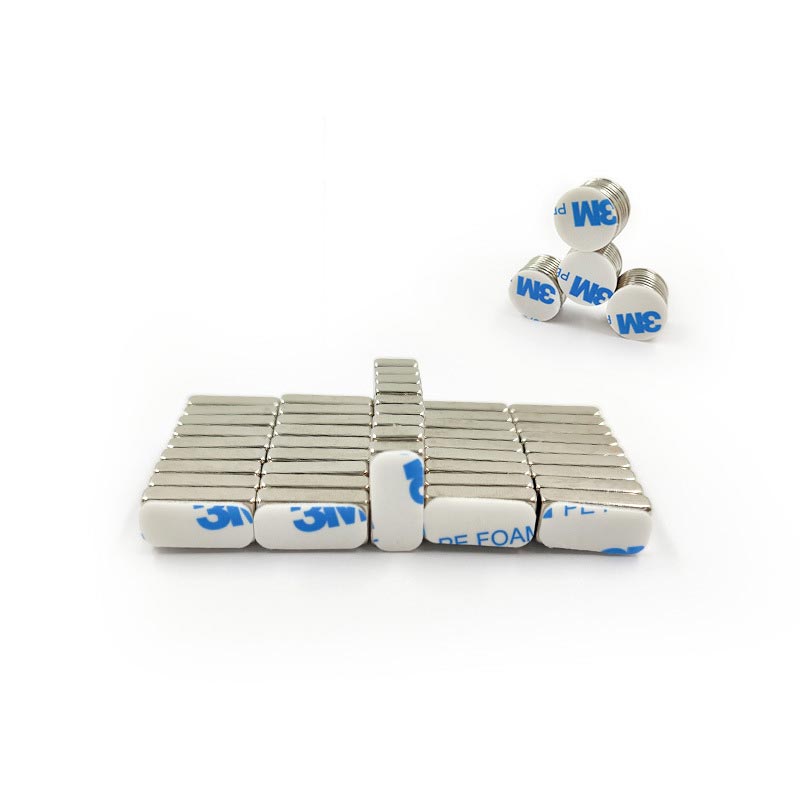
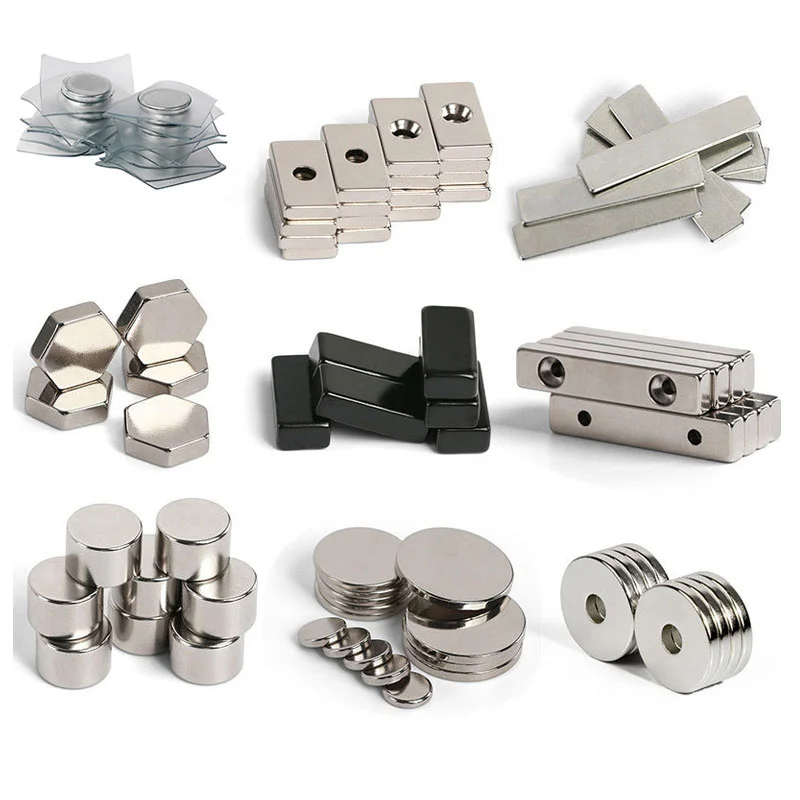
Block Magnets
Ningbo ZHAOBAO MAGNET GROUP This type of product has been produced since the 1990s, which means we have ample time to have an in-depth understanding of this type of product, and our understanding of Block Magnets is more thorough and clear. We are a manufacturer and supplier from China. Our block-shaped magnets are very simple. They will adhere to the designated position and will not lose strength over time.
Read MoreSend Inquiry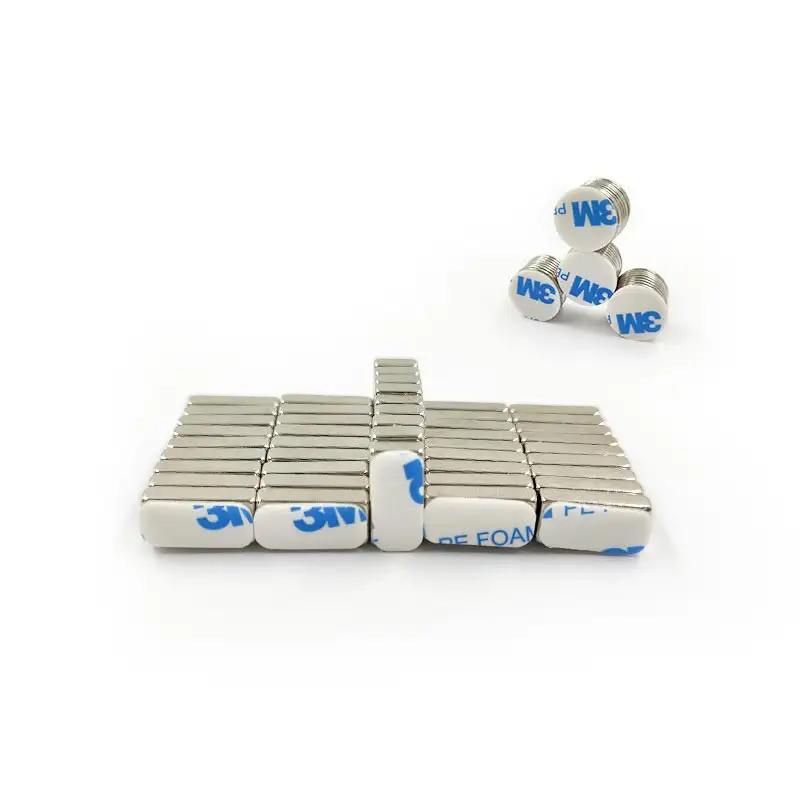
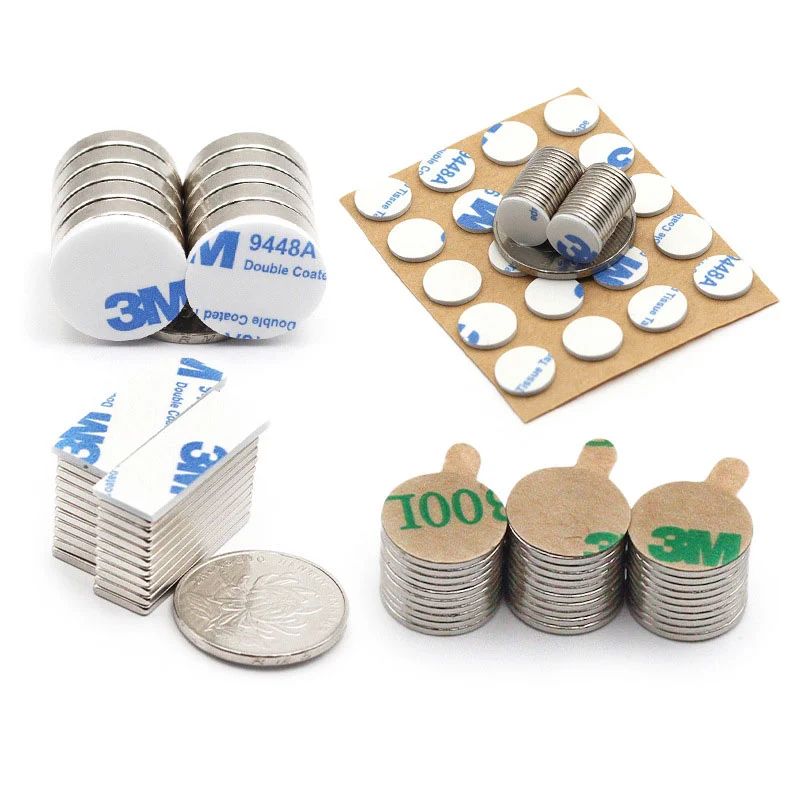
Large Industrial Block Magnets
Zhaobao Magnet Group Large Industrial Block Magnets provide reliable magnetic solutions for heavy-duty industrial applications. Manufactured by a 30-year magnet factory, these large block magnets feature strong magnetic performance, customized dimensions, stable consistency, and professional OEM support for industries including automation, motors, separation equipment, automotive, and industrial machinery.
Read MoreSend Inquiry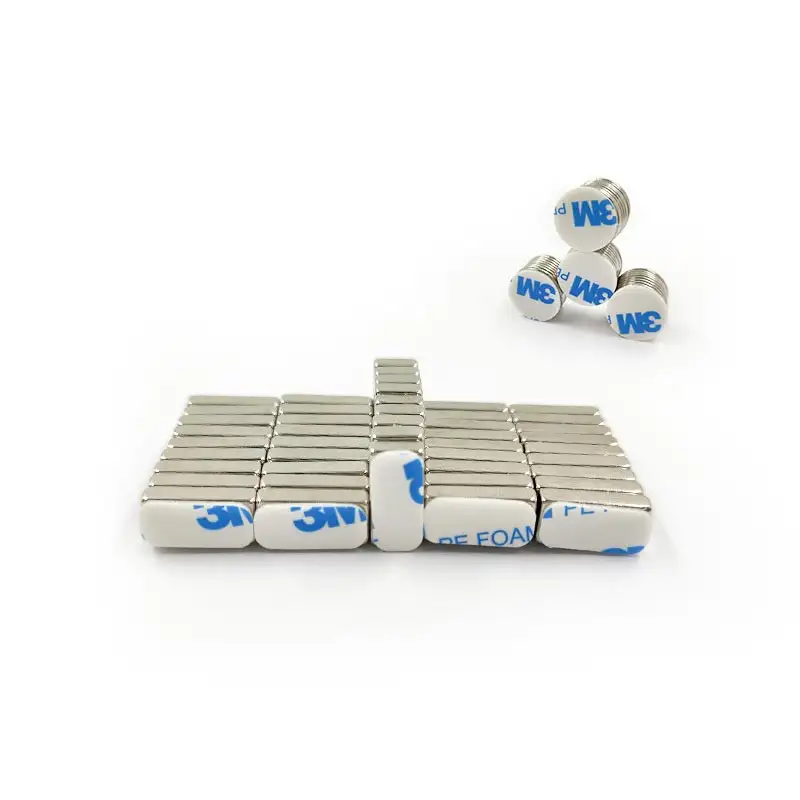
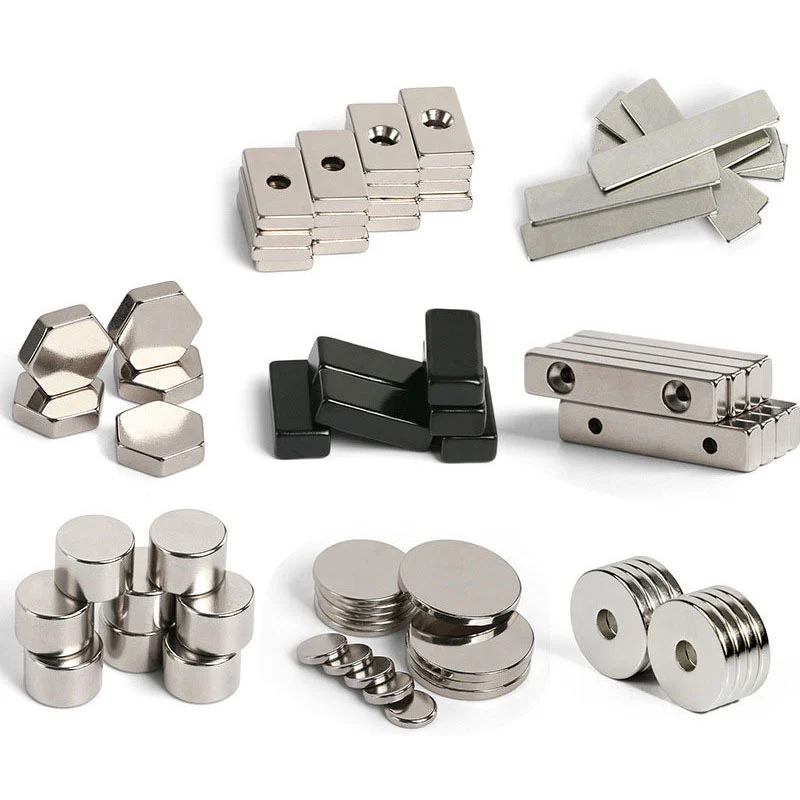
High Strength Neodymium Block Magnets
Zhaobao Magnet Group High Strength Neodymium Block Magnets are engineered for industrial applications requiring exceptional magnetic force, reliable performance, and long service life. As a 30-year neodymium magnet manufacturer, Zhaobao provides custom NdFeB block magnets with advanced manufacturing technology, strict quality control, and OEM solutions for global customers.
Read MoreSend Inquiry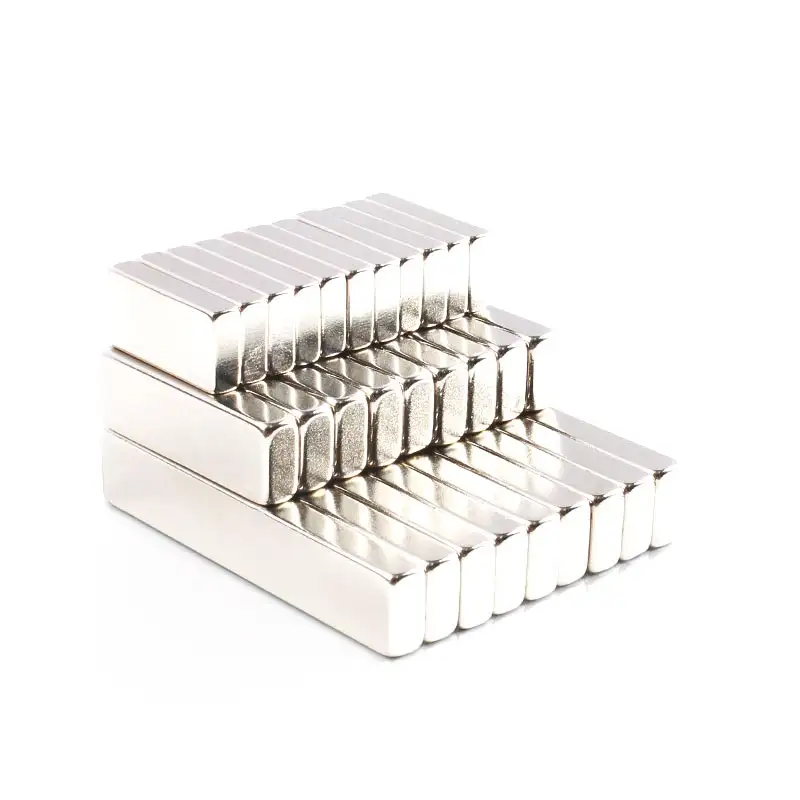
Rectangular Magnets for Sensors
High-precision Rectangular Magnets for Sensors by Zhaobao Magnet Group offer optimal field stability, narrow tolerances (±0.01mm), and custom NdFeB/AlNiCo grades. Engineered for reed and Hall-effect switches, they feature IP67 encapsulation, temp limits to 550°C, and zero-degradation performance.
Read MoreSend Inquiry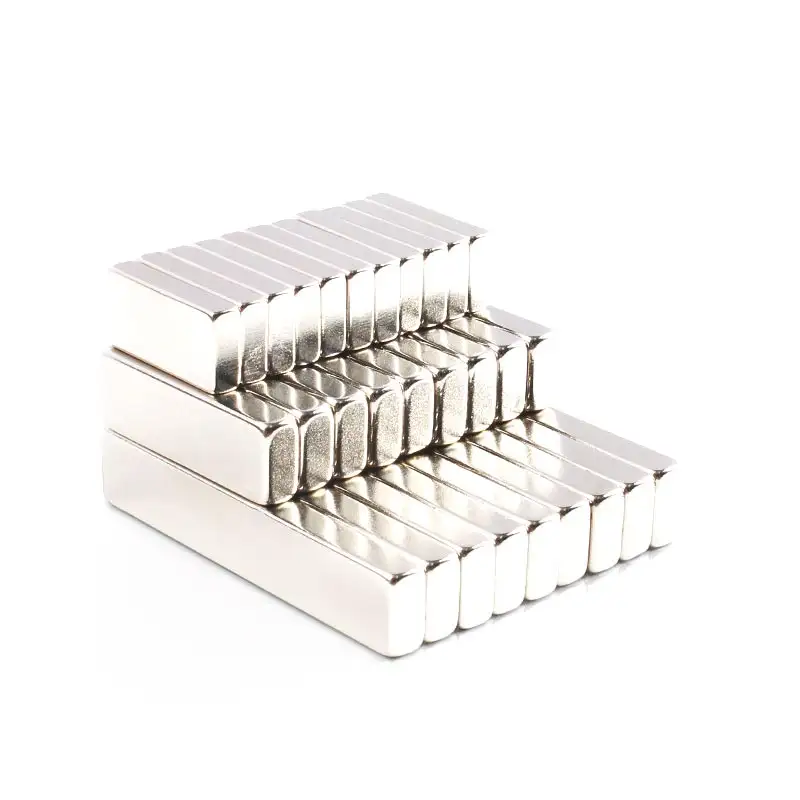
Block Magnets for Industrial Applications
Discover high-performance Block Magnets for Industrial Applications from Zhaobao Magnet Group. Built with self-smelted NdFeB, SmCo, and Ferrite cores delivering up to N54/N54SH grade power, they feature >95% material purity, extreme heat tolerance (350°C), strict dimensional accuracy, and 100% OEM custom design.
Read MoreSend Inquiry
As a reliable Block Magnet manufacturer and supplier in China, we have custom options and volume discount pricing. Please just send us a quotation!