
What Makes the Arc Magnet a Superior Solution for High-Volume Material Separation?
In the demanding world of industrial material processing, the separation of ferrous contaminants from bulk materials is a critical operation. Whether it is removing tramp iron from recycled aggregate, purifying food products, or protecting downstream equipment in mineral processing, the efficiency of the separation process directly impacts product quality, equipment longevity, and operational costs. Traditional magnetic separators, often using flat or rectangular magnets, have served the industry for decades. However, the emergence of the arc magnet has introduced a paradigm shift, particularly for high-volume applications where throughput and separation efficiency are paramount.
The arc magnet, with its curved magnetic surface, offers a fundamentally different approach to material separation. Unlike flat magnets, which present a planar magnetic field, the arc magnet generates a radially oriented field that is more effective at capturing and holding ferrous particles as they flow across its surface. This design, coupled with advancements in rare earth magnetic materials, has enabled significantly higher separation efficiencies at higher throughput rates. The arc magnet's geometry allows for a more uniform magnetic field distribution, reducing the risk of particles escaping capture, and its robust construction ensures reliable performance in harsh industrial environments. This article will explore the engineering, physics, and application engineering that make the arc magnet a superior solution for high-volume material separation, providing a comprehensive technical analysis for engineers, plant managers, and procurement specialists.
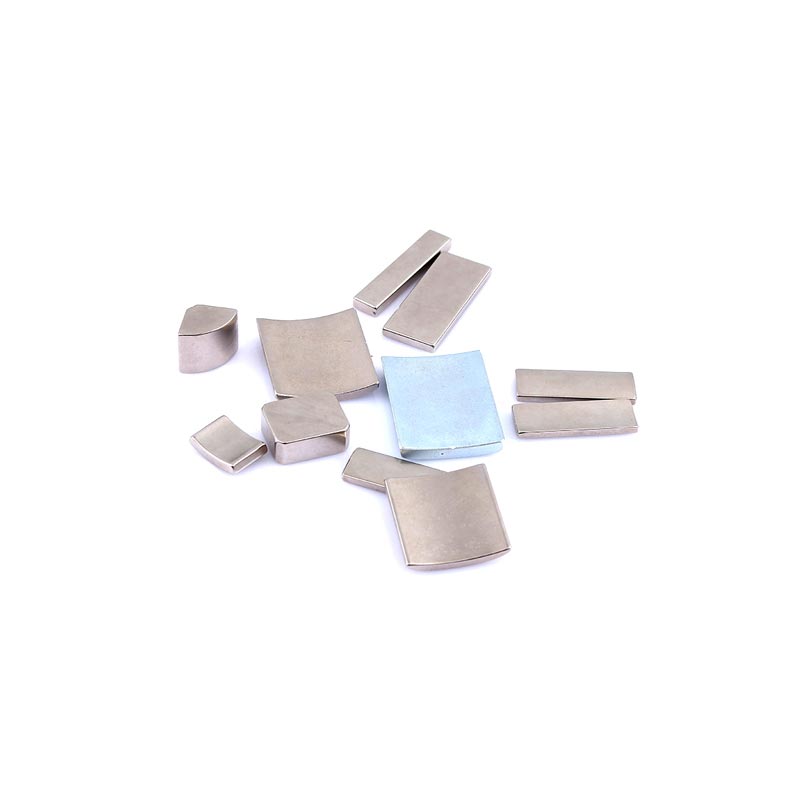
Table of Contents
- 1. What Is an Arc Magnet and How Does It Work?
- 2. What Are the Key Performance Advantages of Arc Magnets?
- 3. What Technical Specifications Define a High-Performance Arc Magnet?
- 4. How Does the Arc Magnet Compare to Traditional Magnetic Separators?
- 5. What Application Engineering Factors Affect Arc Magnet Performance?
- 6. Frequently Asked Questions (FAQ)
- 7. Conclusion
1. What Is an Arc Magnet and How Does It Work?
An arc magnet is a specially designed permanent magnet with a curved, or "arc," shape. Unlike a standard rectangular or disc magnet, the arc magnet is curved along its length, creating a concave or convex surface. In industrial material separation applications, the arc magnet is typically used as a component in a magnetic separator, where it is positioned within a flow of material. The material, often conveyed on a belt, chute, or vibrating feeder, passes over or around the arc magnet. The magnet generates a high-intensity magnetic field that attracts and captures ferrous (iron-containing) particles from the material stream. The curved geometry of the arc magnet is not arbitrary; it is engineered to optimize the magnetic field for maximum capture efficiency.
The fundamental principle behind the arc magnet's effectiveness lies in its magnetic field distribution. A flat magnet generates a magnetic field that is strongest directly at its surface and decays rapidly with distance. The field lines are typically perpendicular to the surface, creating a strong but narrow capture zone. In contrast, an arc magnet generates a field that is more uniformly distributed across the curved surface. The magnetic field lines follow the curvature, creating a deeper and more consistent capture zone. This is particularly advantageous in high-volume applications where the material may be flowing rapidly or the separation gap is larger. The arc magnet's geometry also helps to agitate the material, exposing more particles to the magnetic field.
At Xiamen Zhaobao Magnet Co., Ltd., we manufacture arc magnets using high-grade rare earth materials, typically neodymium (NdFeB) or samarium cobalt (SmCo). These materials provide exceptional magnetic strength, enabling the arc magnet to capture even weakly magnetic particles. The arc magnet is typically encased in a protective housing, often made of stainless steel or a wear-resistant material, to protect it from the abrasive nature of the material flow. The housing also ensures that the magnet is mechanically secure and can be integrated into the material handling system. Our factory has developed advanced manufacturing techniques to ensure the precise curvature and magnetic orientation of our arc magnets, maximizing their performance in high-volume separation applications.
2. What Are the Key Performance Advantages of Arc Magnets?
The arc magnet offers several distinct performance advantages over traditional magnetic separators, making it the preferred choice for high-volume material separation. These advantages stem from its unique geometry and the high-performance magnetic materials used in its construction. The following are the primary performance advantages of the arc magnet:
- Superior Capture Efficiency: The curved surface of the arc magnet creates a more uniform and deeper magnetic field, allowing it to capture ferrous particles more effectively than a flat magnet. In high-volume applications, this translates to a lower concentration of ferrous contaminants in the product stream. Field tests have shown that arc magnets can achieve capture efficiencies of up to 99.5%, compared to 90-95% for flat magnets.
- Higher Throughput Capacity: The arc magnet's design allows for a larger separation zone, enabling it to process higher volumes of material without compromising separation efficiency. This is particularly important in industries such as mining, recycling, and aggregate processing, where throughput rates are a critical factor.
- Self-Cleaning Capability: In many arc magnet configurations, the captured ferrous particles are automatically separated from the magnet surface. This is often achieved through a rotating magnetic drum or a scraping mechanism. The self-cleaning feature allows for continuous, uninterrupted operation, reducing the need for manual cleaning and minimizing downtime.
- Reduced Product Degradation: Unlike some magnetic separators that can damage the material stream, the arc magnet provides a gentle and consistent separation process. The material flows smoothly over the curved surface, minimizing breakage or degradation of the product.
- Versatility: Arc magnets can be adapted to a wide variety of material handling systems. They can be integrated into belt conveyors, chutes, and pneumatic conveying lines. This versatility makes them a practical solution for a range of industries.
The following table provides a comparison of the key performance metrics between arc magnets and flat magnets:
| Performance Metric | Arc Magnet | Flat Magnet |
| Capture Efficiency (Typical) | 98-99.5% | 90-95% |
| Throughput Capacity | High (15-30% more than flat magnet) | Moderate |
| Magnetic Field Depth | Deep (100-150mm effective zone) | Shallow (50-80mm effective zone) |
| Self-Cleaning Capability | Excellent (with rotating design) | Limited (requires manual cleaning) |
| Product Degradation | Low (gentle material handling) | Moderate (possible abrasion) |
| Typical Application | High-volume, continuous processing | Lower volume, batch processing |
These advantages have led to the widespread adoption of arc magnets in a wide range of industries. In the recycling industry, arc magnets are used to remove ferrous metals from shredded materials, improving the quality of the recycled product. In the food industry, they protect processing equipment from contamination and ensure product purity. In mineral processing, they separate valuable minerals from waste material. At Xiamen Zhaobao Magnet Co., Ltd., we have extensive experience in designing and manufacturing arc magnets for these and other applications, and we are committed to providing our customers with the highest quality products and technical support.
3. What Technical Specifications Define a High-Performance Arc Magnet?
To select the right arc magnet for a specific high-volume application, it is essential to understand the key technical specifications that define its performance. These specifications cover the magnetic material, the geometry, and the environmental resistance of the magnet. The following are the most important specifications for a high-performance arc magnet:
Magnetic Material: The magnetic material determines the strength and stability of the arc magnet. The two most common materials are Neodymium (NdFeB) and Samarium Cobalt (SmCo). NdFeB offers the highest magnetic strength but has a lower operating temperature limit (80-150°C). SmCo offers lower magnetic strength but has a higher operating temperature limit (up to 350°C) and is more corrosion-resistant. The choice of material depends on the application's temperature and environmental requirements.
Magnetic Strength / Surface Gauss: The surface gauss is a measure of the magnetic flux density at the surface of the magnet. Higher gauss values indicate a stronger magnet, which translates to better capture of ferrous particles. A high-performance arc magnet for high-volume applications typically has a surface gauss of 8000-12000 Gauss or higher. The specific gauss level required depends on the particle size, the material flow rate, and the separation distance.
Arc Radius and Coverage Angle: The arc radius and coverage angle define the curvature and size of the arc magnet. The radius determines how the magnet conforms to the material flow path, while the coverage angle determines how much of the material stream is exposed to the magnetic field. A larger coverage angle provides a longer separation zone, which improves capture efficiency.
Protective Coating: The arc magnet is typically coated to protect it from corrosion, abrasion, and chemical attack. Common coating materials include nickel (Ni), nickel-copper-nickel (NiCuNi), zinc, and epoxy. The coating must be durable enough to withstand the abrasive nature of the material flow while maintaining the integrity of the magnetic material.
The following table summarizes the key specifications for a typical high-performance arc magnet:
| Specification | Typical Value | Notes |
| Magnetic Material | Neodymium (NdFeB) N42 | High-grade material for maximum strength |
| Surface Gauss | 10,000 - 12,000 Gauss | Measured at the magnet surface |
| Arc Radius | 200 - 500 mm | Customizable to specific applications |
| Coverage Angle | 60° - 180° | Determines the length of the magnetic field |
| Coating | NiCuNi (Nickel-Copper-Nickel) | Provides excellent corrosion resistance |
| Temperature Rating | 80°C (standard) / 150°C (high-temp) | Higher temperature ratings available |
| Magnetization Direction | Radial (through the arc thickness) | Optimized for material separation |
At Xiamen Zhaobao Magnet Co., Ltd., we manufacture arc magnets to meet or exceed these specifications. Our factory uses advanced manufacturing processes, including precision grinding and magnetizing, to ensure that our arc magnets deliver consistent, reliable performance. We also offer custom designs to meet specific application requirements.
4. How Does the Arc Magnet Compare to Traditional Magnetic Separators?
To understand the full value of the arc magnet, it is useful to compare it directly to traditional magnetic separators, such as flat magnets, plate magnets, and cylindrical magnets. Each type of magnet has its own strengths and weaknesses, and the selection of the appropriate type depends on the specific application. The arc magnet, however, offers a unique combination of advantages that make it superior for high-volume material separation.
Flat magnets (also known as plate magnets) are the most common type of magnetic separator. They are simple to manufacture and relatively inexpensive. However, they have a limited magnetic field depth and are less effective at capturing particles that are not in direct contact with the surface. Flat magnets are often used in low-volume or batch processing applications, where their simplicity and low cost are an advantage.
Cylindrical magnets (also known as drum magnets) are typically used in automated magnetic separators. They consist of a cylindrical magnet that rotates within a housing. The material flows over the surface of the drum, and the magnetic field captures ferrous particles. Drum magnets can be very effective, but they are more complex and expensive than flat magnets.
The following table provides a direct comparison of the arc magnet, flat magnet, and drum magnet in terms of key performance parameters:
| Parameter | Arc Magnet | Flat Magnet (Plate) | Drum Magnet |
| Magnetic Field Depth | Deep (100-150mm) | Shallow (50-80mm) | Medium (80-120mm) |
| Capture Efficiency (High Volume) | Excellent (>98%) | Good (90-95%) | Good (95-97%) |
| Throughput Capacity | High | Moderate | High |
| Self-Cleaning Capability | Excellent (with rotating design) | Limited (manual cleaning required) | Excellent (continuous cleaning) |
| Operating Cost | Low | Medium (manual cleaning labor) | Low |
| Initial Cost | Medium-High | Low | High |
| Maintenance Requirements | Low | Medium (regular cleaning) | Low |
| Versatility | High (adaptable to various systems) | Low (limited mounting options) | Medium (requires specific integration) |
As the table illustrates, the arc magnet offers a superior balance of performance, cost, and versatility. It provides the high capture efficiency and self-cleaning capability of a drum magnet, with a lower initial cost and greater adaptability. At Xiamen Zhaobao Magnet Co., Ltd., we have seen many customers upgrade from flat magnets to arc magnets to achieve higher separation efficiency and reduced downtime. The arc magnet's ability to provide consistent, high-volume separation with minimal maintenance makes it a cost-effective solution for a wide range of industries.
5. What Application Engineering Factors Affect Arc Magnet Performance?
The performance of an arc magnet in a specific application is influenced by several engineering factors. These factors are not inherent to the magnet itself but are related to how it is integrated into the material handling system. By carefully considering these factors, engineers can optimize the performance of the arc magnet for their specific application. The key application engineering factors are material flow rate, material characteristics, separation distance, magnetic field strength, and environmental conditions.
Material Flow Rate: The flow rate of the material stream affects the residence time of the material in the magnetic field. At higher flow rates, the material is in contact with the magnet for a shorter period, which can reduce capture efficiency. The arc magnet's design, however, is optimized to handle high flow rates, and its performance can be further enhanced by adjusting the curvature and angle of the magnet.
Material Characteristics: The properties of the material being processed, including its particle size, density, and moisture content, affect the arc magnet's capture efficiency. Smaller particles are more difficult to capture than larger particles, and materials with high moisture content may clump, reducing the separation efficiency. The arc magnet's design must be tailored to the specific material characteristics.
Separation Distance: The gap between the arc magnet and the material stream is critical. As the gap increases, the magnetic field strength decreases, reducing capture efficiency. The arc magnet must be positioned as close to the material stream as possible, but without interfering with the material flow. The optimal separation distance is a balance between effective capture and smooth material flow.
Magnetic Field Strength: The magnetic field strength must be sufficient to capture the ferrous particles present in the material stream. For high-volume applications, where the material may contain a wide range of particle sizes, a stronger field is generally required. The choice of magnetic material and magnet size determines the field strength.
Environmental Conditions: The operating environment, including temperature, humidity, and the presence of corrosive chemicals, can affect the performance and longevity of the arc magnet. High temperatures can reduce the magnetic strength of some materials, and corrosive chemicals can damage the protective coating.
At Xiamen Zhaobao Magnet Co., Ltd., we work closely with our customers to understand their specific application requirements and to design arc magnets that are optimized for their unique conditions. We provide detailed engineering support, including magnetic field modeling and performance testing, to ensure that our arc magnets deliver the highest level of performance and reliability.
6. Frequently Asked Questions (FAQ)
Question 1: What is the typical lifespan of an arc magnet in a high-volume material separation application?
Answer: The typical lifespan of an arc magnet depends on the application's operating conditions. With proper selection and maintenance, an arc magnet can last 10-20 years or more. The magnetic material itself does not degrade significantly over time. The primary factors affecting lifespan are the wear on the protective coating and the potential for physical damage. Our arc magnets at Xiamen Zhaobao Magnet Co., Ltd. are manufactured with durable coatings and high-quality materials to ensure a long service life.
Question 2: Can arc magnets capture weakly magnetic stainless steel particles?
Answer: Yes, arc magnets can capture weakly magnetic stainless steel particles, although the capture efficiency depends on the specific grade of stainless steel. Ferritic and martensitic stainless steels are magnetic and can be captured. Austenitic stainless steels, such as 304 and 316, are non-magnetic and cannot be captured by a standard arc magnet. For austenitic stainless steel particles, a different separation technology is required, such as a high-intensity magnetic separator.
Question 3: What is the maximum operating temperature for an arc magnet?
Answer: The maximum operating temperature depends on the magnetic material used. Neodymium magnets typically have a maximum operating temperature of 80-150°C, depending on the grade. Samarium cobalt magnets can operate at up to 350°C. For high-temperature applications, we can supply arc magnets made from samarium cobalt or with a high-temperature neodymium grade. Our technical team can advise on the optimal material for your specific temperature requirements.
Question 4: How does the arc magnet compare to an electromagnet in terms of operating cost?
Answer: Arc magnets are permanent magnets and do not require a continuous power supply, making them significantly more energy-efficient than electromagnets. The operating cost of an arc magnet is essentially zero, while an electromagnet consumes electricity and requires a power supply. For high-volume, continuous operation, the arc magnet's low operating cost is a major advantage. At Xiamen Zhaobao Magnet Co., Ltd., we recommend arc magnets for applications where continuous, reliable, and cost-effective separation is required.
Question 5: Can the arc magnet be customized for a specific application?
Answer: Yes, arc magnets can be customized to meet the specific requirements of an application. We offer a range of customization options, including arc radius, coverage angle, magnetic material, and coating type. We can also design arc magnets that are integrated into specific material handling systems, such as conveyors and chutes. Our engineering team can work with you to design an arc magnet that meets your exact specifications.
7. Conclusion
The arc magnet represents a significant advancement in magnetic separation technology, offering a superior solution for high-volume material separation applications. Its unique curved geometry, combined with high-performance rare earth materials, enables exceptional capture efficiency, high throughput capacity, and low operating costs. Compared to traditional flat and drum magnets, the arc magnet provides a superior balance of performance, cost, and versatility, making it the preferred choice for a wide range of industries.
Understanding the technical specifications and application engineering factors that affect arc magnet performance is essential for selecting the right solution for your specific needs. At Xiamen Zhaobao Magnet Co., Ltd., we are dedicated to providing high-quality arc magnets and comprehensive technical support to our customers. Our team of experienced engineers can help you design and implement an arc magnet solution that optimizes your material separation process and improves your operational efficiency.
Contact Xiamen Zhaobao Magnet Co., Ltd. today to learn how our arc magnets can enhance your material separation operations.