
Why Are Circle Magnets Essential for Modern Industrial and Everyday Applications?
Circle magnets are among the most versatile magnetic products used across industries, households, education, electronics, packaging, healthcare, and engineering projects. Their compact design, strong magnetic force, and broad compatibility make them indispensable in countless applications. This comprehensive guide explores everything buyers, engineers, wholesalers, and product designers need to know about circle magnets, including materials, sizes, grades, applications, advantages, maintenance, and purchasing considerations.
Article Summary
This article provides an in-depth understanding of circle magnets and their growing importance in modern industries. Readers will learn about the different types of circle magnets, how they work, their key advantages, industrial applications, selection tips, safety precautions, and maintenance methods. Whether you are sourcing magnets for manufacturing, retail products, DIY projects, or engineering systems, this guide will help you make informed decisions.
Table of Contents
- 1. What Are Circle Magnets?
- 2. How Do Circle Magnets Work?
- 3. Types of Circle Magnets
- 4. Major Benefits of Circle Magnets
- 5. Industrial and Commercial Applications
- 6. Sizes, Grades, and Strength Explained
- 7. How to Choose the Right Circle Magnet
- 8. Common Coatings and Surface Treatments
- 9. Temperature Resistance and Durability
- 10. Circle Magnets vs Other Magnet Shapes
- 11. Maintenance and Storage Tips
- 12. Common Buying Mistakes
- 13. Future Trends in Magnet Technology
- 14. Frequently Asked Questions
- 15. Conclusion
1. What Are Circle Magnets?
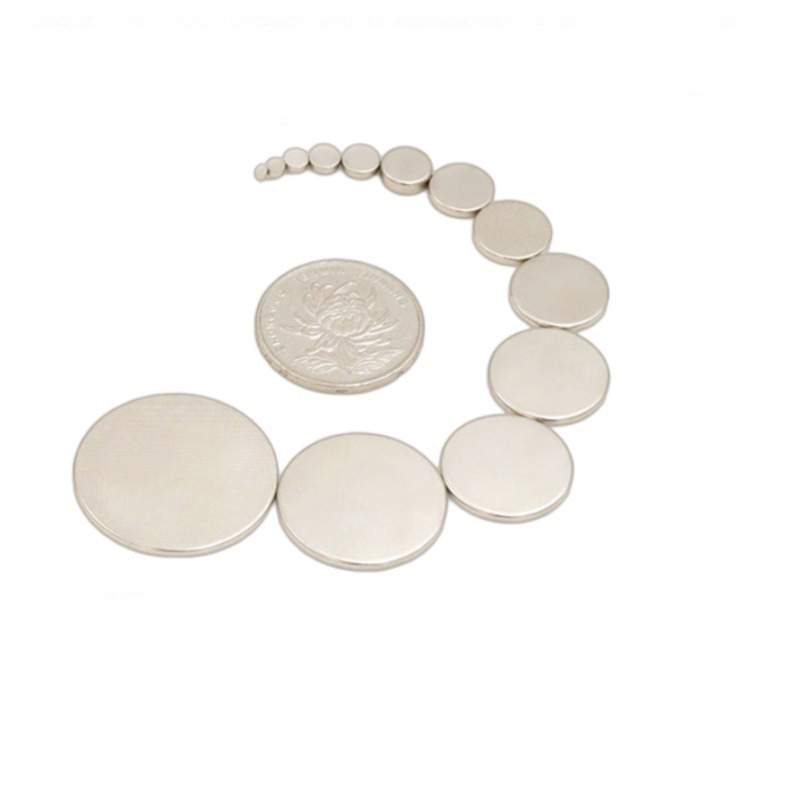
Circle magnets are round-shaped magnets commonly manufactured in disc, ring, or cylindrical forms. These magnets are designed to provide strong magnetic attraction while maintaining a compact and symmetrical structure. Their shape enables even magnetic field distribution, making them highly effective for precision applications.
Circle magnets are widely used because they are easy to integrate into products and systems. From magnetic closures in packaging to electric motors and advanced automation systems, their usage spans nearly every modern industry.
The most common materials used for circle magnets include:
- Neodymium (NdFeB)
- Ferrite
- Alnico
- Samarium Cobalt
2. How Do Circle Magnets Work?
Circle magnets operate by generating magnetic fields through aligned magnetic domains within the material. These magnetic fields attract ferromagnetic materials such as iron, nickel, and cobalt.
In industrial settings, engineers often choose circle magnets because their symmetrical geometry allows stable magnetic performance. Depending on the manufacturing method and material composition, circle magnets can provide extremely high pull force despite their small size.
| Magnet Type | Magnetic Strength | Temperature Resistance | Cost Level |
|---|---|---|---|
| Neodymium | Very High | Moderate | Medium to High |
| Ferrite | Medium | Excellent | Low |
| Alnico | Moderate | Very High | Medium |
| Samarium Cobalt | High | Excellent | High |
3. Types of Circle Magnets
Understanding different types of circle magnets helps buyers select the most suitable option for their applications.
Disc Magnets
Disc magnets are flat and circular, commonly used in electronics, crafts, packaging, and sensors.
Ring Magnets
Ring magnets contain a hole in the center, making them ideal for motors, loudspeakers, and medical equipment.
Cylinder Magnets
Cylinder magnets are thicker and provide deeper magnetic fields for industrial machinery and engineering applications.
Countersunk Magnets
These magnets include mounting holes for screws, enabling secure installation in furniture, signage, and manufacturing equipment.
4. Major Benefits of Circle Magnets
- Compact Design: Saves installation space.
- Strong Magnetic Force: Excellent holding power.
- Versatility: Suitable for industrial and consumer products.
- Durability: Long service life with proper coating.
- Easy Installation: Adaptable to various systems.
- Cost Efficiency: High performance relative to size.
Because of these advantages, many manufacturers choose circle magnets for automation systems, robotics, electric motors, and magnetic assemblies.
5. Industrial and Commercial Applications
Circle magnets are critical components across numerous industries.
Electronics
Used in speakers, sensors, wireless chargers, and hard drives.
Automotive
Essential for electric motors, fuel systems, and safety sensors.
Medical Equipment
Applied in MRI systems, surgical tools, and diagnostic devices.
Packaging
Magnetic closures improve premium packaging experiences.
Industrial Automation
Supports robotics, conveyor systems, and automated manufacturing.
Education and DIY
Popular for science projects, whiteboards, and creative crafts.
6. Sizes, Grades, and Strength Explained
Circle magnets are available in various grades and dimensions. Magnet grade determines magnetic energy density and performance.
| Grade | Strength Level | Common Applications |
|---|---|---|
| N35 | Standard | Crafts, packaging |
| N42 | High | Electronics, sensors |
| N52 | Very High | Industrial motors |
Choosing the correct grade depends on operating conditions, required holding force, and environmental exposure.
7. How to Choose the Right Circle Magnet
Many buyers struggle with selecting the ideal magnet because there are multiple technical considerations involved.
Consider the Required Pull Force
Determine how much weight or pressure the magnet must support.
Evaluate the Operating Environment
Exposure to moisture, chemicals, or high temperatures affects material selection.
Check Size Constraints
Compact devices often require high-strength neodymium circle magnets.
Choose Suitable Coatings
Surface coatings improve corrosion resistance and durability.
8. Common Coatings and Surface Treatments
Protective coatings are crucial because some magnet materials can corrode over time.
- Nickel Coating: Most common, smooth appearance.
- Epoxy Coating: Excellent moisture protection.
- Zinc Coating: Cost-effective corrosion resistance.
- Gold Coating: Decorative and anti-corrosion.
- PTFE Coating: Chemical resistance for industrial environments.
9. Temperature Resistance and Durability
Temperature is one of the most important considerations when selecting circle magnets. Different materials tolerate different thermal conditions.
For example, standard neodymium magnets may lose magnetic performance under extreme heat, while samarium cobalt magnets maintain excellent stability in high-temperature environments.
Manufacturers should always verify maximum operating temperatures before integrating magnets into equipment.
10. Circle Magnets vs Other Magnet Shapes
| Shape | Advantages | Typical Uses |
|---|---|---|
| Circle | Balanced field distribution | Motors, packaging |
| Block | Large surface area | Industrial holding |
| Arc | Rotational systems | Motors and generators |
| Sphere | Multi-directional movement | Educational toys |
11. Maintenance and Storage Tips
Proper maintenance extends magnet lifespan and ensures consistent performance.
- Store magnets in dry environments.
- Avoid direct impact and dropping.
- Keep away from sensitive electronics.
- Use separators to prevent cracking.
- Inspect coatings regularly.
12. Common Buying Mistakes
Many buyers focus only on magnet size without evaluating other critical factors.
- Ignoring operating temperature limits
- Selecting insufficient coating protection
- Underestimating pull force requirements
- Choosing low-quality suppliers
- Failing to test prototypes before mass production
Working with experienced manufacturers significantly reduces these risks.
13. Future Trends in Magnet Technology
The global demand for circle magnets continues to rise due to advancements in electric vehicles, renewable energy, robotics, and smart electronics.
Emerging innovations include:
- High-efficiency magnetic materials
- Miniaturized precision magnets
- Eco-friendly production technologies
- Advanced corrosion-resistant coatings
- Ultra-high temperature magnetic systems
Companies investing in advanced magnetic solutions are expected to benefit from rapidly growing industrial demand.
14. Frequently Asked Questions
Q1: What is the strongest type of circle magnet?
Neodymium circle magnets generally provide the highest magnetic strength available commercially.
Q2: Are circle magnets waterproof?
Some magnets include waterproof coatings such as epoxy, but not all magnets are fully waterproof.
Q3: Can circle magnets lose magnetism?
Yes. Excessive heat, impact, or improper storage may reduce magnetic performance over time.
Q4: What industries use circle magnets the most?
Electronics, automotive, renewable energy, healthcare, robotics, and industrial automation industries are major users.
Q5: How do I know which magnet grade I need?
The required grade depends on pull force, environmental conditions, size limitations, and temperature exposure.
Q6: Are custom circle magnets available?
Yes. Many manufacturers provide customized sizes, coatings, strengths, and magnetization directions.
15. Conclusion
Circle magnets have become essential components in modern engineering, manufacturing, electronics, healthcare, packaging, and countless everyday products. Their compact shape, powerful magnetic force, and flexible customization options make them one of the most practical magnetic solutions available today.
Whether you are sourcing magnets for industrial automation systems, consumer electronics, magnetic closures, or specialized engineering projects, understanding material selection, grades, coatings, and operating conditions is critical for long-term performance.
As global industries continue advancing toward electrification, automation, and smart technologies, the demand for high-performance circle magnets will continue growing rapidly.
Xiamen Zhaobao Magnet Co., Ltd. specializes in high-quality magnetic products designed for industrial, commercial, and customized applications. From powerful neodymium circle magnets to advanced magnetic assemblies, our experienced team is committed to delivering dependable solutions tailored to your requirements.
Contact us today to discuss your project requirements, request samples, or receive professional support for your magnetic product needs.