
Why Are N35 Magnets Essential for Modern Industrial and Consumer Applications?
N35 magnets are among the most widely used neodymium magnets in the world. They offer an excellent balance between magnetic strength, cost-effectiveness, durability, and versatility. From consumer electronics and automotive systems to industrial automation and renewable energy equipment, N35 magnets continue to play a critical role in modern manufacturing.
This comprehensive guide explains what N35 magnets are, how they compare with other magnetic grades, where they are used, how to choose the right specifications, common customer challenges, and practical tips for maximizing performance. Whether you are a purchasing manager, product designer, engineer, or distributor, this article will help you make informed decisions when sourcing N35 magnets.
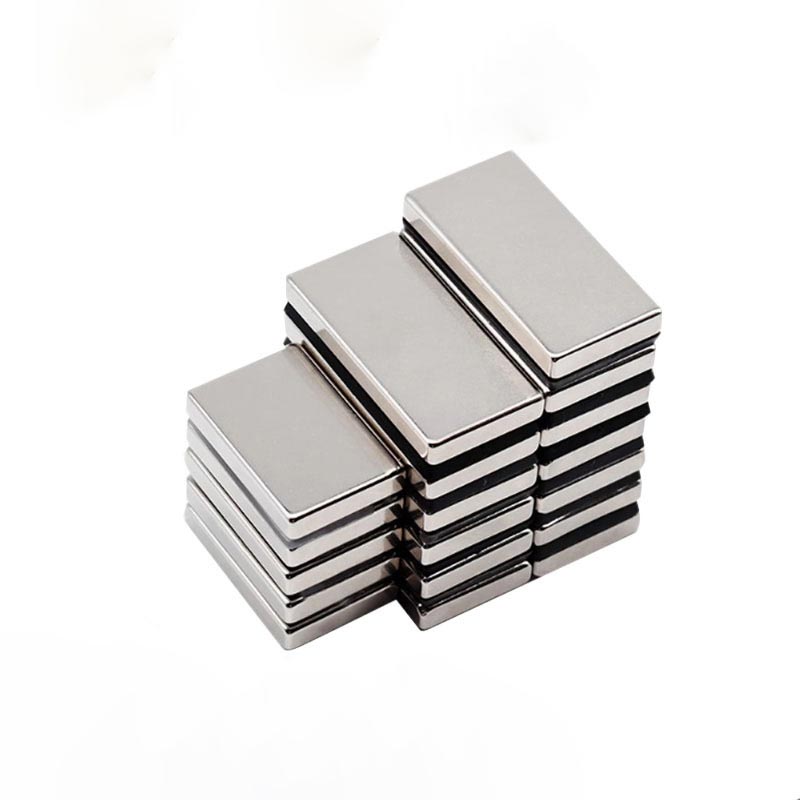
Table of Contents
- What Are N35 Magnets?
- Why Are N35 Magnets So Popular?
- Technical Properties of N35 Magnets
- How Do N35 Magnets Compare with Other Grades?
- Where Are N35 Magnets Commonly Used?
- What Challenges Do Buyers Face?
- How Can You Choose the Right N35 Magnet?
- Which Shapes and Sizes Are Available?
- Why Do Magnet Coatings Matter?
- How Does Temperature Affect Performance?
- What Safety Considerations Should You Know?
- What Is the Future of N35 Magnet Technology?
- Frequently Asked Questions
- Conclusion
What Are N35 Magnets?
N35 magnets belong to the neodymium magnet family, commonly known as NdFeB magnets. They are composed primarily of neodymium, iron, and boron, creating one of the strongest permanent magnetic materials available today.
The designation "N35" refers to the magnetic energy product of the magnet. The number 35 indicates the approximate maximum energy product measured in Mega Gauss Oersteds (MGOe). This rating helps users understand the magnetic strength and efficiency of the material.
N35 magnets offer an ideal balance between performance and affordability, making them one of the most frequently selected grades across numerous industries.
Key Characteristics:
- Strong magnetic force
- Compact size
- Cost-effective performance
- Wide industrial compatibility
- Excellent holding power
- Suitable for mass production
Why Are N35 Magnets So Popular?
Many customers ask why N35 magnets continue to dominate global markets despite the availability of stronger grades such as N42, N48, or N52.
The answer lies in their exceptional value proposition.
| Factor | N35 Advantage |
|---|---|
| Cost | More economical than higher grades |
| Availability | Widely available globally |
| Performance | Suitable for most applications |
| Manufacturing | Easy integration into products |
| Reliability | Consistent magnetic output |
For many manufacturers, upgrading to stronger grades does not necessarily improve product performance enough to justify higher costs. Therefore, N35 often becomes the preferred choice.
Technical Properties of N35 Magnets
| Property | Typical Value |
|---|---|
| Grade | N35 |
| Br | 11.7-12.1 kGs |
| Hcb | ≥10.8 kOe |
| Hcj | ≥12 kOe |
| BHmax | 33-36 MGOe |
| Maximum Working Temperature | 80°C |
These properties make N35 magnets suitable for numerous medium-strength magnetic applications while maintaining competitive pricing.
How Do N35 Magnets Compare with Other Grades?
| Grade | Relative Strength | Cost Level | Typical Applications |
|---|---|---|---|
| N35 | Standard | Low | General industrial products |
| N42 | Higher | Medium | Motors and sensors |
| N48 | Very High | Medium-High | Advanced electronics |
| N52 | Maximum | High | High-performance systems |
For applications where space is not extremely limited, N35 often delivers sufficient performance without significantly increasing project costs.
Where Are N35 Magnets Commonly Used?
N35 magnets appear in thousands of products worldwide.
- Electric Motors – Industrial drives and automation equipment.
- Speakers and Audio Systems – Enhanced sound quality and efficiency.
- Magnetic Separators – Removal of metal contaminants.
- Magnetic Tools – Holding and positioning applications.
- Sensors – Precise motion and position detection.
- Medical Equipment – Various diagnostic and therapeutic devices.
- Consumer Electronics – Phones, laptops, wearables, and accessories.
- Automotive Components – Sensors, motors, and control systems.
- Renewable Energy Systems – Wind generators and energy equipment.
As industries continue moving toward miniaturization and automation, the demand for reliable permanent magnets remains strong.
What Challenges Do Buyers Face?
Customers purchasing N35 magnets frequently encounter several challenges.
| Challenge | Recommended Solution |
|---|---|
| Unexpected corrosion | Select proper protective coating |
| Insufficient magnetic force | Optimize size or grade selection |
| Temperature-related demagnetization | Use higher temperature grades |
| Dimensional inconsistency | Work with experienced suppliers |
| Supply instability | Choose established manufacturers |
Understanding these issues before procurement can significantly reduce project risks.
How Can You Choose the Right N35 Magnet?
Choosing the right magnet requires careful consideration of multiple factors.
- Determine required holding force.
- Evaluate environmental conditions.
- Confirm operating temperature.
- Select proper dimensions.
- Choose coating materials.
- Verify tolerances.
- Consider assembly requirements.
- Assess long-term reliability.
Working closely with a professional magnet supplier can greatly simplify this process.
Which Shapes and Sizes Are Available?
N35 magnets can be manufactured in a wide variety of configurations.
- Disc Magnets
- Block Magnets
- Ring Magnets
- Cylinder Magnets
- Arc Magnets
- Countersunk Magnets
- Custom-Shaped Magnets
Custom magnet designs allow engineers to optimize performance while minimizing material consumption.
Why Do Magnet Coatings Matter?
Neodymium magnets naturally contain iron, making them susceptible to corrosion when exposed to moisture or harsh environments.
| Coating Type | Primary Benefit |
|---|---|
| Nickel-Copper-Nickel | Most common protection |
| Epoxy | Enhanced moisture resistance |
| Gold | Premium appearance |
| Zinc | Economical protection |
| Parylene | Medical-grade applications |
How Does Temperature Affect Performance?
Heat is one of the most significant factors influencing magnetic performance.
Standard N35 magnets typically operate safely up to approximately 80°C. Exposure beyond recommended temperatures can cause irreversible magnetic loss.
For demanding environments, specialized versions such as N35H, N35SH, N35UH, or N35EH may provide better thermal stability.
Practical Tip: Always evaluate the highest possible operating temperature during product design rather than average working temperature.
What Safety Considerations Should You Know?
- Keep away from pacemakers and sensitive medical devices.
- Avoid finger injuries caused by sudden attraction.
- Store properly during transportation.
- Use protective equipment during assembly.
- Prevent children from swallowing small magnets.
- Follow industrial handling procedures.
Proper handling improves workplace safety and protects product quality.
What Is the Future of N35 Magnet Technology?
The future of N35 magnets is closely tied to global technological development. Increasing demand from electric vehicles, renewable energy systems, robotics, automation, smart devices, and industrial digitalization will continue driving innovation.
Manufacturers are investing in:
- Higher production efficiency
- Improved corrosion resistance
- Enhanced thermal stability
- Better dimensional precision
- Sustainable material utilization
- Advanced customization capabilities
As manufacturing technologies evolve, N35 magnets are expected to remain one of the most important permanent magnetic materials available.
Frequently Asked Questions
Q1: Are N35 magnets strong?
Yes. N35 magnets are significantly stronger than ferrite magnets and provide excellent magnetic force for most industrial and commercial applications.
Q2: Can N35 magnets rust?
Yes. Without protective coatings, neodymium magnets can corrode when exposed to moisture.
Q3: What is the maximum operating temperature?
Standard N35 magnets generally operate safely up to approximately 80°C.
Q4: Are N35 magnets suitable for motors?
Absolutely. Many electric motors and automation systems utilize N35 magnets due to their strong performance and cost efficiency.
Q5: Which coating is most common?
Nickel-Copper-Nickel coating is the most widely used option because it provides reliable corrosion protection and an attractive finish.
Q6: Can N35 magnets be customized?
Yes. Manufacturers can customize shape, dimensions, tolerances, coating, magnetization direction, and packaging requirements.
Q7: How long do N35 magnets last?
Under proper operating conditions, N35 magnets can maintain their magnetic properties for decades.
Q8: Are N35 magnets environmentally stable?
When properly coated and used within recommended temperature ranges, they exhibit excellent long-term stability.
Conclusion
N35 magnets have become a cornerstone of modern engineering because they deliver an exceptional combination of magnetic strength, affordability, reliability, and versatility. Whether used in industrial automation, renewable energy equipment, medical devices, consumer electronics, or automotive systems, they continue to provide dependable performance across countless applications.
By understanding technical specifications, environmental requirements, coating options, temperature limitations, and design considerations, buyers can confidently select the most suitable N35 magnet solution for their projects.
Xiamen Zhaobao Magnet Co., Ltd. specializes in high-quality neodymium magnet manufacturing, custom magnetic solutions, precision machining, and global supply services. Whether you need standard N35 magnets or customized magnetic assemblies, our experienced team can help you find the most efficient solution for your application.
Contact us today to discuss your project requirements, request samples, receive technical support, and discover how our advanced magnetic solutions can help your business achieve greater performance and efficiency.