
What Is a Magnets Bar and Why Does It Matter in Modern Industrial and Everyday Applications?
Magnets bar products are widely used across industries ranging from manufacturing and food processing to scientific research and household organization. Despite their simple appearance, these magnetic tools play a crucial role in improving efficiency, safety, and precision in material separation and holding systems. This article explores everything you need to know about magnets bars, including how they work, where they are used, how to choose the right type, and how to solve common user challenges.
📌 Article Summary
This guide provides a complete understanding of magnets bars, including their structure, working principles, industrial applications, selection criteria, maintenance methods, and frequently asked questions. It is designed to help engineers, buyers, product designers, and general users make informed decisions while avoiding common mistakes when selecting magnetic solutions.
📚 Table of Contents
- 1. Introduction to Magnets Bar
- 2. Structure and Working Principle
- 3. Key Industrial Applications
- 4. Advantages of Using Magnets Bar
- 5. Different Types of Magnets Bars
- 6. How to Choose the Right Magnets Bar
- 7. Maintenance and Cleaning Guide
- 8. Common Problems and Solutions
- 9. Comparison Table of Magnetic Solutions
- 10. Frequently Asked Questions
- 11. Final Thoughts and Recommendations
1. Introduction to Magnets Bar
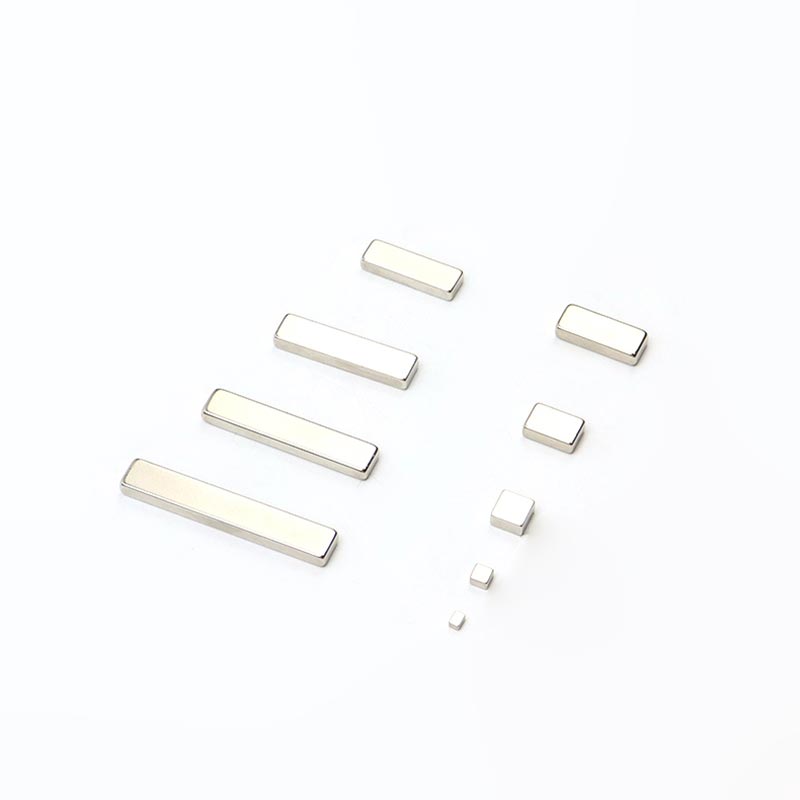
A magnets bar is a cylindrical or rectangular magnetic device typically encased in stainless steel and designed to attract and capture ferrous metals. These bars are widely installed in industrial systems such as hoppers, pipelines, conveyor belts, and filtration units.
The main purpose of a magnets bar is to remove unwanted iron particles from materials or environments. This ensures product purity, protects machinery from damage, and improves overall production efficiency.
In many industries, even microscopic metal contamination can lead to serious quality issues. This is where magnets bars become essential components in modern processing systems.
2. Structure and Working Principle
A typical magnets bar consists of two main parts: the magnetic core and the protective outer shell.
- Magnetic Core: Usually made of neodymium, ferrite, or samarium-cobalt materials.
- Outer Shell: Food-grade stainless steel (often SS304 or SS316) for corrosion resistance and durability.
The working principle is based on magnetic attraction. When materials containing iron particles pass near or around the magnets bar, the magnetic field captures and holds these particles on the surface.
Over time, accumulated contaminants must be cleaned manually or automatically depending on the system design.
3. Key Industrial Applications
Magnets bars are used in a wide range of industries due to their efficiency and reliability. Below are the most common applications:
- Food Processing Industry: Removes metal contamination from flour, sugar, grains, and liquids.
- Pharmaceutical Industry: Ensures purity of raw materials and prevents contamination.
- Chemical Industry: Protects equipment from metal wear particles.
- Plastic Recycling: Separates metal fragments from recycled plastics.
- Mining and Minerals: Extracts iron particles from raw ore materials.
- Manufacturing Systems: Used in CNC machines and machining processes to reduce tool damage.
4. Advantages of Using Magnets Bar
Magnets bars offer several advantages that make them indispensable in modern industries.
- High Efficiency: Strong magnetic force captures even fine metal particles.
- Durability: Stainless steel housing ensures long service life.
- Cost Saving: Reduces machine wear and maintenance costs.
- Easy Installation: Can be integrated into existing systems without major modifications.
- Eco-Friendly: No chemicals or consumables required.
These benefits make magnets bars a long-term investment for industries aiming to improve quality control and operational efficiency.
5. Different Types of Magnets Bars
Magnets bars are not one-size-fits-all products. They come in different designs depending on application requirements.
- Standard Magnetic Bars: Used in general filtration and separation systems.
- High-Intensity Magnetic Bars: Designed for fine powder and micro-particle separation.
- Liquid Line Magnetic Bars: Installed in pipelines for fluid processing industries.
- Easy-Clean Magnetic Bars: Designed with pull-handle systems for quick cleaning.
- Custom Magnetic Bars: Tailored dimensions and strength based on client requirements.
6. How to Choose the Right Magnets Bar
Choosing the correct magnets bar is essential for optimal performance. Several factors must be considered:
- Magnetic Strength: Measured in Gauss; higher values capture finer particles.
- Operating Environment: Temperature, humidity, and chemical exposure.
- Material Type: Powder, liquid, or granular materials.
- Size Requirements: Diameter and length must match installation space.
- Cleaning Method: Manual vs automatic cleaning systems.
Selecting the wrong type may result in reduced efficiency or system failure. Therefore, technical consultation is highly recommended before purchase.
7. Maintenance and Cleaning Guide
Proper maintenance ensures long-term performance and prevents contamination buildup.
- Regularly inspect surface accumulation of metal particles.
- Use protective gloves when cleaning manually.
- Avoid using sharp tools that may damage stainless steel surface.
- For easy-clean models, follow manufacturer instructions for handle operation.
- Store in dry environments when not in use.
Consistent maintenance improves efficiency and extends product lifespan significantly.
8. Common Problems and Solutions
Even though magnets bars are reliable, users may encounter some common issues:
- Weak Magnetic Performance: Often caused by incorrect material selection or high-temperature exposure.
- Fast Contamination Build-up: Indicates high impurity levels in processed material.
- Corrosion Issues: Usually due to poor-grade stainless steel usage.
- Difficult Cleaning: Can be solved by switching to easy-clean models.
Understanding these problems helps users optimize system performance and avoid downtime.
9. Comparison Table of Magnetic Solutions
| Type | Magnetic Strength | Application | Cleaning Method | Durability |
|---|---|---|---|---|
| Standard Magnet Bar | Medium | General industrial use | Manual | High |
| High-Intensity Bar | Very High | Fine powder separation | Manual | Very High |
| Liquid Line Bar | High | Pipeline systems | Automatic/Manual | High |
| Easy-Clean Bar | High | Food & pharma | Quick release | Very High |
10. Frequently Asked Questions (FAQ)
Q1: What materials are used in magnets bars?
Magnets bars are typically made from neodymium magnets enclosed in stainless steel shells such as SS304 or SS316.
Q2: Can magnets bars be used in food processing?
Yes, food-grade magnets bars are widely used to ensure contamination-free production.
Q3: How long do magnets bars last?
With proper maintenance, they can last several years without significant performance loss.
Q4: Do magnets bars lose strength over time?
High-quality magnets retain their strength for many years under normal conditions.
Q5: How are magnets bars cleaned?
They can be cleaned manually or using a pull-sleeve system depending on design.
11. Final Thoughts and Recommendations
Magnets bars are essential components in modern industrial systems where purity, safety, and efficiency are critical. Their ability to remove fine metal particles ensures product quality and protects expensive machinery from damage.
Whether you are working in food production, chemical processing, or recycling industries, selecting the right magnets bar can significantly improve operational performance.
For high-quality magnetic solutions, professional customization, and technical support, you can rely on experienced manufacturers in the field.
Xiamen Zhaobao Magnet Co., Ltd. specializes in advanced magnetic products designed for industrial applications, offering reliable performance and customized solutions for global clients.
If you are looking for stable supply, technical guidance, or customized magnetic bar solutions, contact us today to get professional assistance and tailored product recommendations for your specific application needs.