
China Ring Magnet Manufacturer, Supplier, Factory
Products
- View as
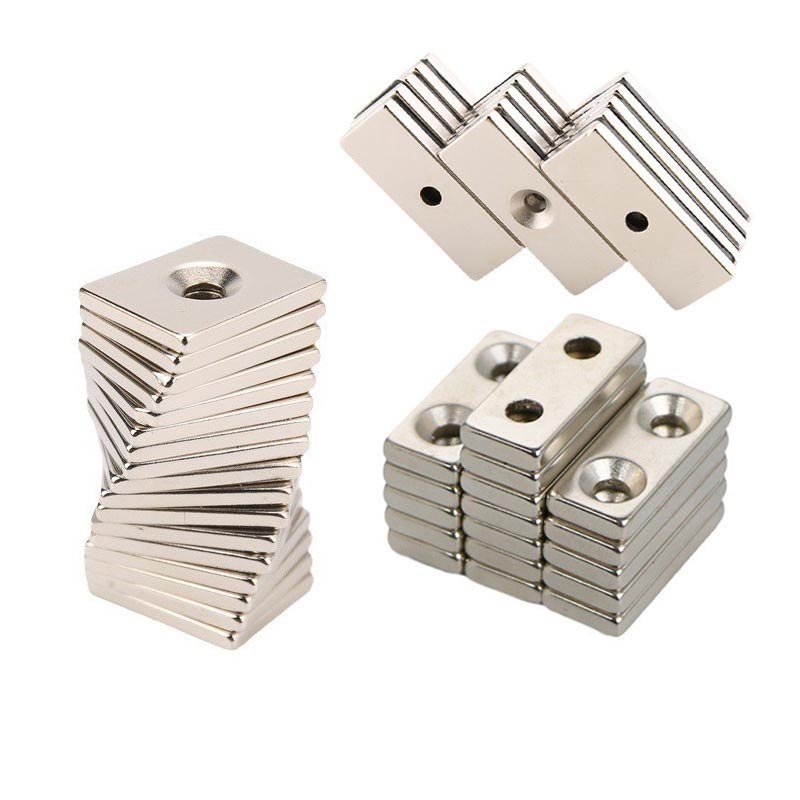
Permanent Magnets
As a professional supplier, ZHAOBAO MAGNET GROUP 's Permanent Magnets are designed to power innovation in automation, energy and robotics, and are available in customizable sizes from 1mm to 150mm. Welcome to come and purchase.
Read MoreSend Inquiry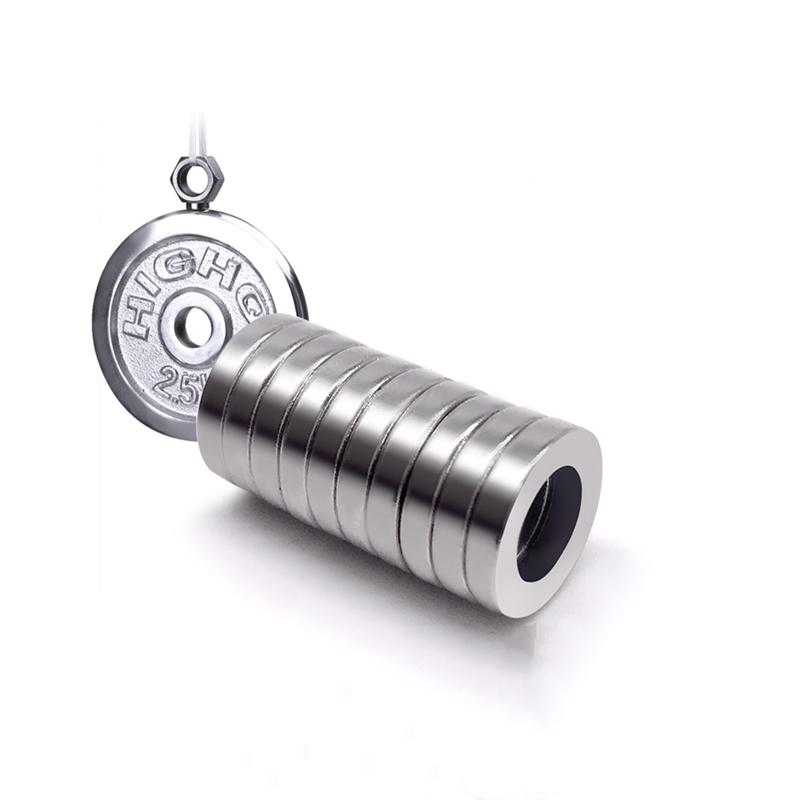
small powerful magnets
In today’s fast-evolving tech landscape, miniaturization is non-negotiable—yet magnetic performance cannot be compromised. Our small powerful magnets are engineered precisely for this balance: tiny in size, massive in magnetic strength. As a trusted 30-year magnet expert and source factory, we specialize in sintered NdFeB technology, delivering small powerful magnets that outperform standard miniature magnets in energy density, temperature stability, and consistency. Unlike generic micro-magnets, ours are built with full-process control—from high-purity raw material refining to precision machining—ensuring every small powerful magnet fits seamlessly into space-constrained designs without sacrificing reliability.
Read MoreSend Inquiry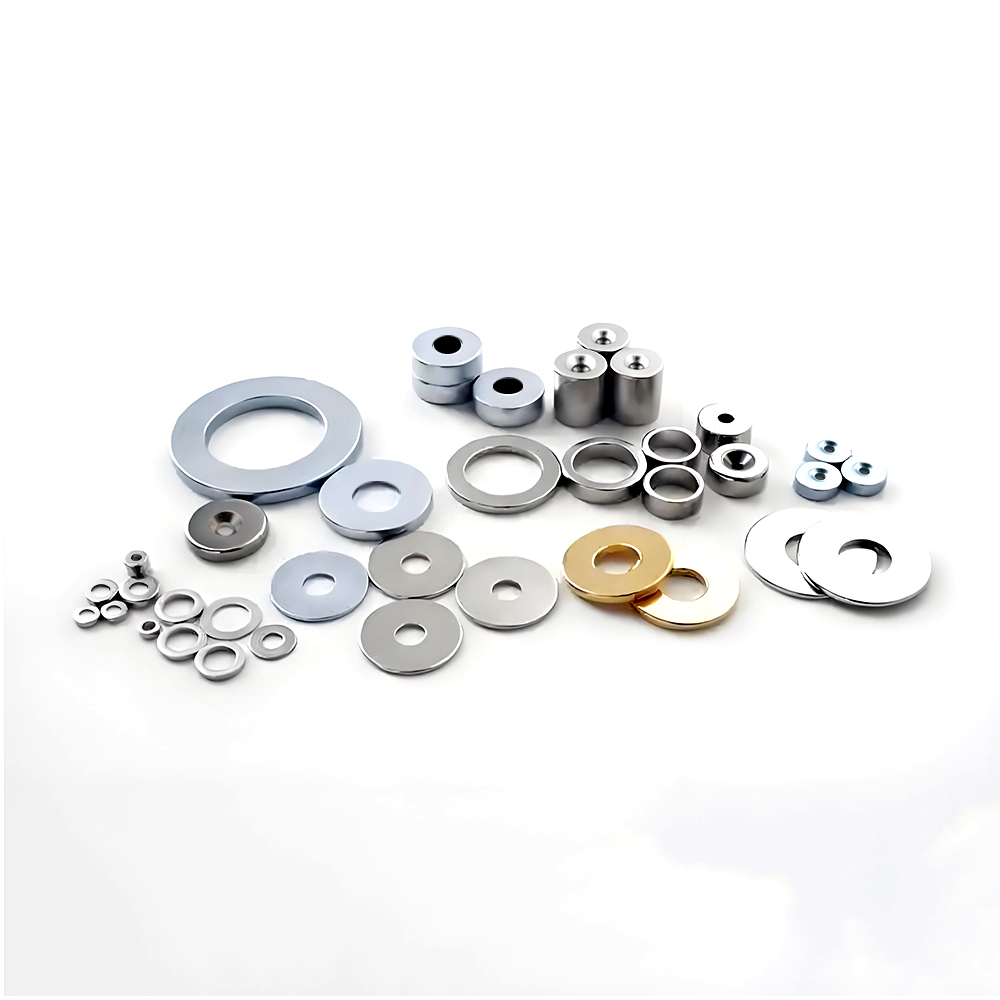
ndfeb ring magnet
Engineered for applications requiring optimized magnetic field geometries, our NdFeB ring magnets provide efficient magnetic flux management through their annular design. These neodymium ring-shaped magnets are specifically designed for motors, sensors, encoders, and audio equipment where their toroidal configuration enables compact magnetic circuit designs and space-efficient integration. Available in various grades from N35 to N52 and multiple magnetization patterns (axial, radial, multipole), each NdFeB ring magnet is manufactured with precision dimensional control, uniform magnetic field distribution, and robust protective coatings suitable for demanding operational environments.
Read MoreSend Inquiry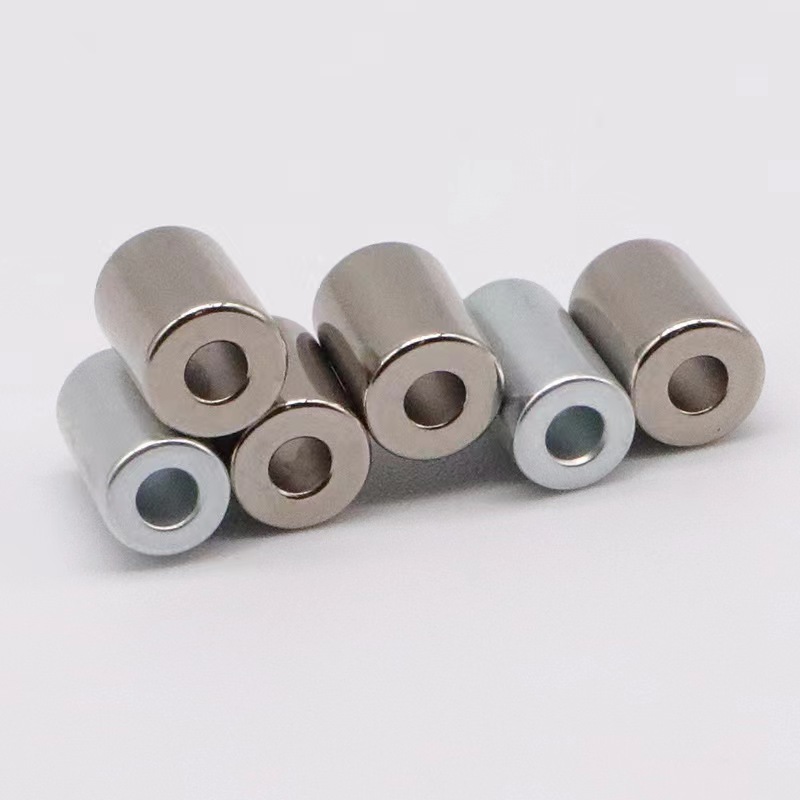
strong earth magnets
Engineered for applications where magnetic strength directly impacts performance, our premium strong earth magnets deliver exceptional pulling force and holding power through optimized neodymium compositions and advanced manufacturing techniques. Utilizing virgin raw materials with purity exceeding 95% and proprietary sintering processes incorporating dysprosium enhancement, these magnets achieve maximum energy products (BHmax) up to 52 MGOe while maintaining structural integrity under operational stress. Our three decades of specialized manufacturing ensure every strong earth magnet provides consistent, reliable magnetic performance in high-torque motors, precision medical devices, industrial automation, and renewable energy systems.
Read MoreSend Inquiry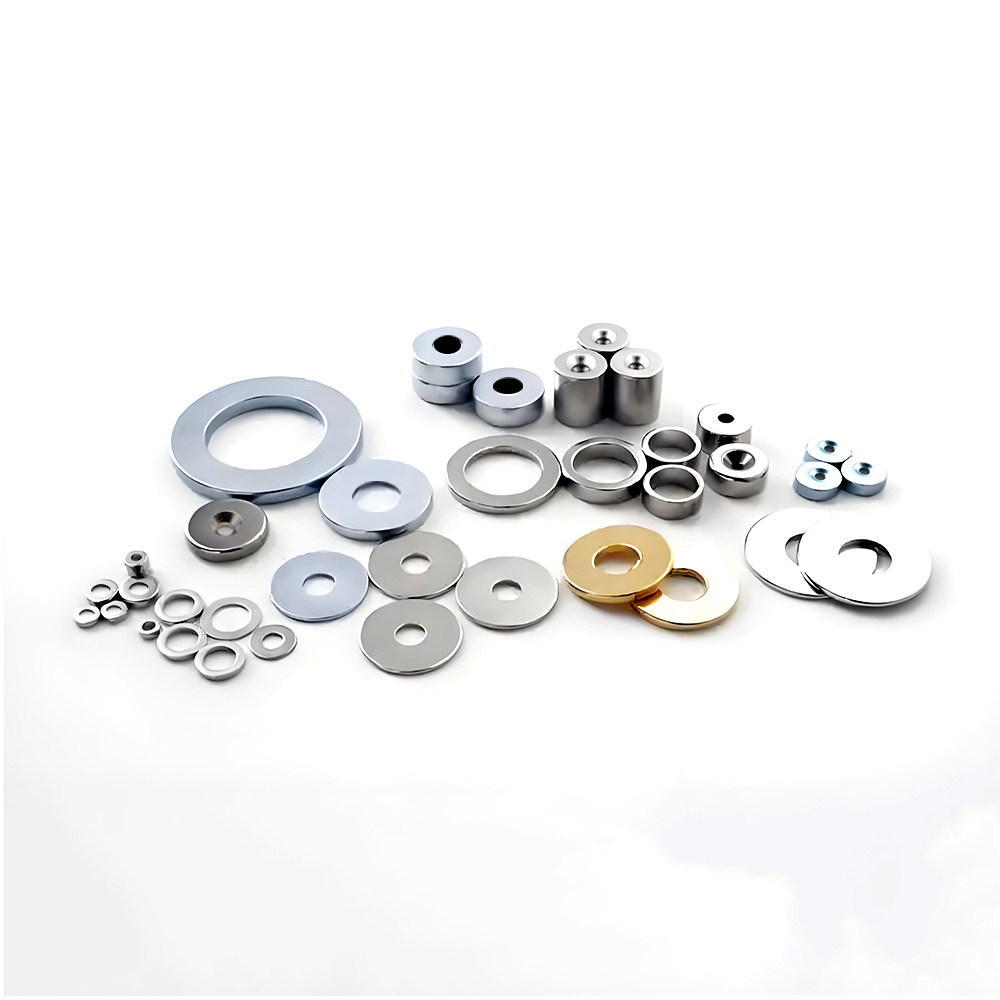
extra strong magnets
As a pioneering manufacturer with 30 years of focus on high-performance magnetic materials, we specialize in producing extra strong magnets that redefine industry standards for magnetic strength and reliability. Our extra strong magnets leverage advanced material science and full-chain manufacturing—from high-purity neodymium raw materials (sourced from listed companies, no recycled materials) to proprietary dysprosium-added formulas—delivering magnetic energy product (BHmax) up to 52 MGOe and remanence (Br) reaching 1.5T, far exceeding standard magnets on the market. Designed for critical applications like high-efficiency motors, medical equipment, industrial lifting systems, and precision sensors, these magnets offer unmatched pull force while maintaining exceptional temperature stability and corrosion resistance. As a direct manufacturer, we control every production step to ensure batch-to-batch consistency, making our extra strong magnets the trusted choice for global clients requiring peak magnetic performance.
Read MoreSend Inquiry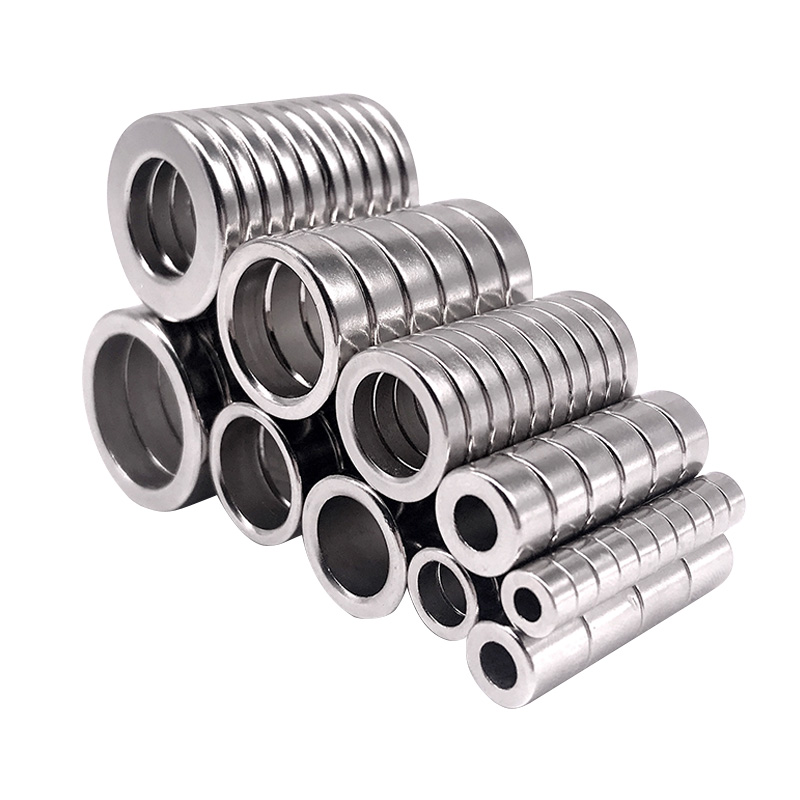
n52 neodymium magnets
Our N52 neodymium magnets are the highest-performance standard-grade neodymium magnets available, engineered to deliver an industry-leading magnetic energy product of up to 52 MGOe – a 20% increase in magnetic strength compared to standard N42 grades. As a fully integrated manufacturer with 30 years of expertise, we produce N52 neodymium magnets from virgin neodymium-iron-boron alloy (≥95% purity, no recycled materials) using a proprietary sintering process that enhances grain structure and magnetic uniformity. This strict production control ensures every N52 neodymium magnet delivers consistent flux density, minimal coercivity loss, and exceptional dimensional accuracy, making it the go-to choice for applications where space is limited and magnetic strength is critical, such as drone motors, medical imaging equipment, and high-efficiency industrial pumps
Read MoreSend Inquiry
As a reliable Ring Magnet manufacturer and supplier in China, we have custom options and volume discount pricing. Please just send us a quotation!